Why Do Moving Blankets Reduce Friction Between Items?
Anyone who has loaded a moving truck knows the sound: the scrape of a wooden chair leg against a cardboard box, the squeak of a metal frame sliding across another piece of furniture. These sounds are the audible signature of friction, and in a moving truck, friction is both a friend and an enemy. A small amount of friction keeps items from sliding around during transport. Too much friction, and the surfaces of those items rub against each other, causing scratches, scuffs, and wear. The Moving Blanket is the tool that moving professionals use to control this balance. It does not eliminate friction entirely; it changes where the friction occurs and how much damage it causes. Understanding why Moving Blankets reduce friction between items is essential for procurement managers who need to select the right blankets for their fleet.
This guide is written for buyers at moving companies, furniture retailers, and logistics firms who need to understand the mechanics of friction reduction and how Moving Blankets achieve it. We will explain the surface science behind friction, the role of the blanket’s outer shell and inner core, the cushioning effect that separates surfaces, and the material specifications that determine performance. We will also provide detailed product parameters from our factory at Wenzhou Top Packaging Co., Ltd. Whether you are equipping a fleet of moving trucks or sourcing blankets for a retail operation, this guide will help you select the right product for your needs.
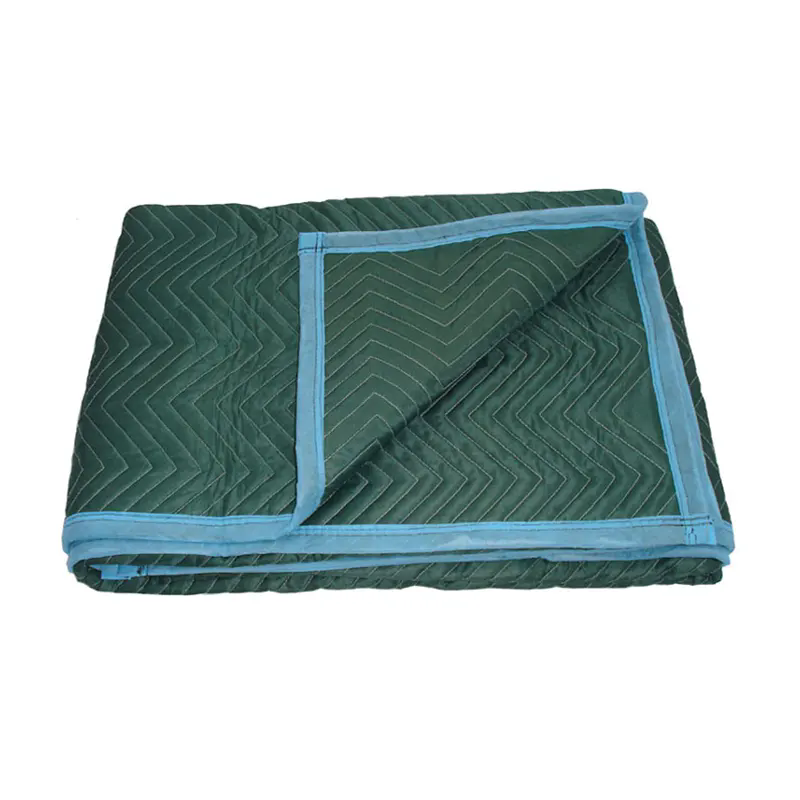
Table of Contents
- 1. What Is Friction and Why Does It Matter in Moving?
- 2. How Does the Outer Shell of a Moving Blanket Reduce Friction?
- 3. Why Does Cushioning Separate Surfaces and Prevent Rubbing?
- 4. What Material Specifications Affect Friction Reduction?
- 5. How Do You Select the Right Moving Blankets for Your Fleet?
- 6. What Are the Key Product Parameters from Our Factory?
- 7. Frequently Asked Questions (FAQ)
- 8. Conclusion
1. What Is Friction and Why Does It Matter in Moving?
Friction is the force that resists the relative motion of two surfaces in contact. It is caused by the microscopic roughness of the surfaces and the molecular attraction between them. When two items are placed in contact and one moves against the other, friction converts kinetic energy into heat and wear. In a moving truck, friction occurs at every interface: between furniture and the truck floor, between boxes stacked on top of each other, and between the items themselves. Some friction is desirable because it prevents items from sliding. But excessive friction causes abrasion, scratches, and surface damage. The goal of a moving blanket is not to eliminate friction but to redirect it. The blanket creates a low-friction interface between the blanket and the item, while the blanket itself absorbs the abrasive contact. The table below summarizes the role of friction in moving.
| Friction Type | Effect in Moving | Desirable? |
| Item-to-Floor Friction | Prevents sliding during transit | Yes, but can cause floor scuffs |
| Item-to-Item Friction | Causes scratches and abrasion | No |
| Box-to-Box Friction | Causes cardboard wear and label damage | No |
| Blanket-to-Item Friction | Low; allows items to settle without damage | Yes (low friction is desirable) |
At Top Packaging, our factory manufactures Moving Blankets that are designed to reduce friction between items. We understand that the blanket must provide a low-friction surface against the item while absorbing the abrasive contact that would otherwise damage the item’s finish. Our blankets are used by moving companies and furniture retailers around the world.
2. How Does the Outer Shell of a Moving Blanket Reduce Friction?
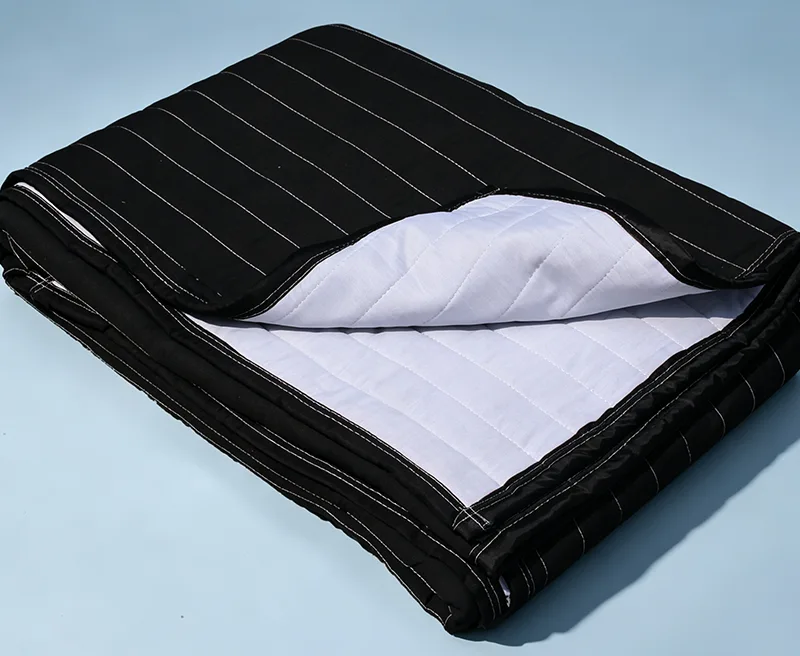
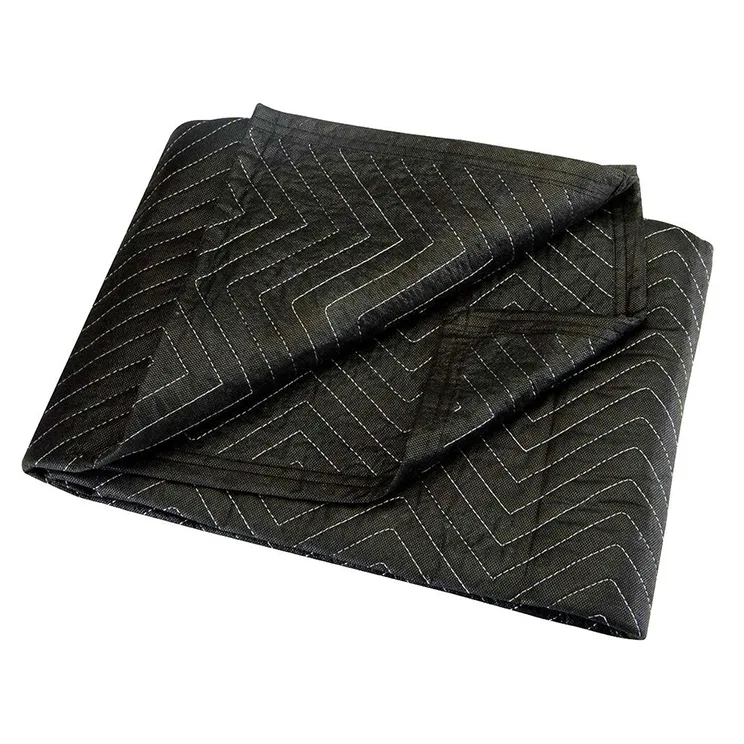
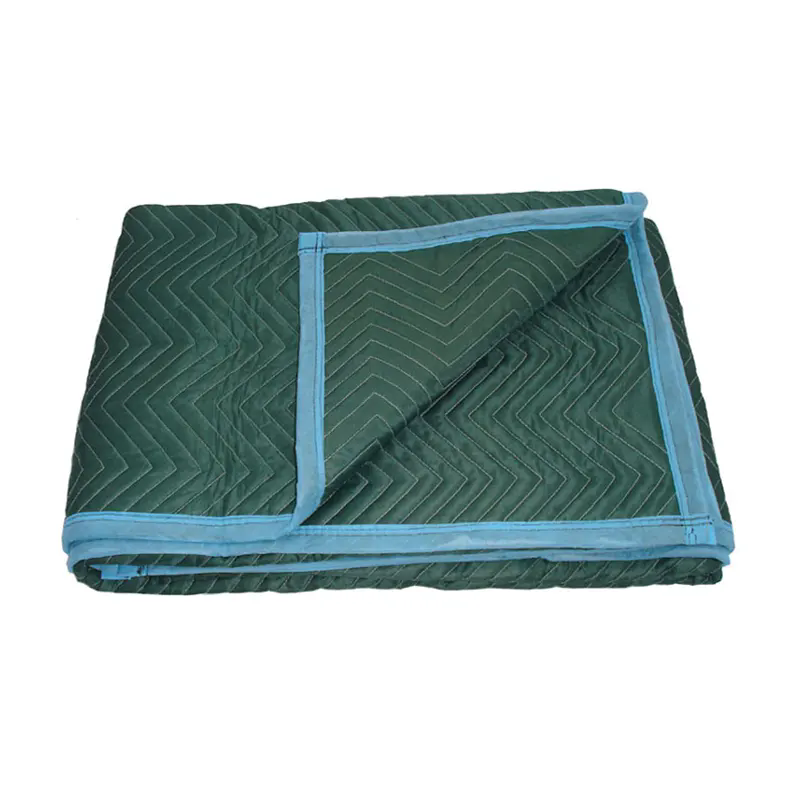
The outer shell of a Moving Blanket is the surface that comes into contact with the items being protected. The material and finish of this shell determine how much friction is generated. A smooth, tightly woven fabric has a lower coefficient of friction than a rough, loose fabric. When an item is wrapped in a blanket with a smooth outer shell, the item can slide slightly against the blanket without generating the high friction that would cause abrasion. The blanket acts as a sacrificial layer. If any rubbing occurs, it is the blanket that wears, not the furniture. The table below compares the friction characteristics of different outer shell materials.
| Outer Shell Material | Coefficient of Friction | Effect on Friction Reduction |
| Woven Cotton | Moderate | Good; soft surface, moderate friction |
| Polyester | Low | Excellent; smooth surface, low friction |
| Cotton-Poly Blend | Low-Moderate | Good balance of softness and low friction |
| Non-Woven Fabric | Moderate-High | Less effective; rougher surface |
At our factory, we use tightly woven cotton and polyester fabrics for the outer shell of our Moving Blankets. These materials provide a smooth surface that reduces friction against the items being protected. We also offer a range of fabric weights and finishes to suit different applications. Our goal is to provide our customers with blankets that protect their items from friction damage.
3. Why Does Cushioning Separate Surfaces and Prevent Rubbing?
The inner core of a Moving Blanket is the layer that provides cushioning. It is typically made from recycled cotton, foam, or felt. The cushioning serves two purposes. First, it absorbs impact energy. When an item bumps against another item or the side of the truck, the blanket compresses and dissipates the force, reducing the chance of damage. Second, it separates the surfaces of the items. Even if the items are pressed together, the blanket’s thickness creates a physical gap that prevents direct contact. This gap is critical for friction reduction because friction only occurs when surfaces touch. If the blanket keeps the surfaces apart, there is no direct friction between the items. The table below summarizes the cushioning materials and their effect on surface separation.
| Cushioning Material | Thickness Range | Surface Separation Effect | Friction Reduction |
| Recycled Cotton | 5 - 12 mm | Good; dense and conformable | Excellent |
| Foam | 3 - 10 mm | Excellent; resilient | Excellent |
| Felt | 4 - 8 mm | Good; firm | Good |
| Recycled Fiber Blend | 6 - 15 mm | Very good; dense and thick | Excellent |
At our factory, we use high-density recycled cotton and foam for the inner core of our Moving Blankets. These materials provide excellent cushioning and surface separation, reducing the risk of friction damage. We also offer blankets with different thicknesses and weights to suit different applications. Our goal is to provide our customers with blankets that protect their items from both impact and friction.
4. What Material Specifications Affect Friction Reduction?
The friction reduction performance of a Moving Blanket is determined by several material specifications. These include the outer shell material, the inner core material, the blanket weight, the thickness, and the surface finish. The outer shell material determines the coefficient of friction against the item. The inner core material determines the cushioning and surface separation. The blanket weight and thickness determine the overall protection level. The surface finish determines whether the blanket is smooth or textured. The table below summarizes these specifications and their effect on friction reduction.
| Specification | Effect on Friction Reduction | Recommended Value |
| Outer Shell Material | Lower friction = smoother material | Woven polyester or cotton blend |
| Inner Core Material | Better separation = denser material | High-density recycled cotton or foam |
| Blanket Weight | Heavier = more protection, but more handling effort | 2 - 3.5 kg for general use |
| Thickness | Thicker = better separation | 8 - 15 mm |
| Surface Finish | Smoother = lower friction | Brushed or woven finish |
At our factory, we offer Moving Blankets in a range of specifications to suit different applications. We can customize the outer shell material, inner core material, weight, thickness, and surface finish to meet your specific requirements. Our goal is to provide our customers with blankets that reduce friction and protect their items during transport.
5. How Do You Select the Right Moving Blankets for Your Fleet?
Selecting the right Moving Blankets for your fleet requires a systematic evaluation of your needs. The key factors to consider are the types of items you move, the distance and duration of the moves, the loading and unloading conditions, and your budget. The table below provides a selection guide for different applications.
| Application | Recommended Weight | Recommended Size | Recommended Outer Shell |
| Residential Moving | 2 - 3 kg | 200 x 250 cm | Cotton-poly blend |
| Furniture Retail Delivery | 2.5 - 3.5 kg | 200 x 300 cm | Woven polyester |
| Commercial/Office Moving | 3 - 4 kg | 200 x 300 cm | Heavy-duty cotton |
| Long-Distance Moving | 3 - 4 kg | 200 x 300 cm | Woven polyester with reinforced edges |
At Wenzhou Top Packaging Co., Ltd., our factory can help you select the right Moving Blankets for your fleet. We offer a range of weights, sizes, and materials to suit different applications. Our sales team can provide samples and technical data to help you make an informed decision.
6. What Are the Key Product Parameters from Our Factory?
The following table provides the key product parameters for our Moving Blankets. These blankets are designed for the professional moving and furniture logistics industries. Our factory can also produce custom blankets to meet specific requirements.
| Parameter | Specification Range | Notes |
| Size | 150 x 200 cm to 200 x 300 cm | Custom sizes available |
| Weight | 1.5 kg to 4 kg | Light, Medium, Heavy grades |
| Outer Shell Material | 100% Cotton, Polyester, Blend | Selected for softness and durability |
| Inner Core Material | Recycled Cotton, Foam, Felt | Selected for impact absorption |
| Quilting Pattern | Diamond, Box, Channel | Selected for protection uniformity |
| Edge Binding | Polyester, Double-Stitched | Prevents fraying, extends life |
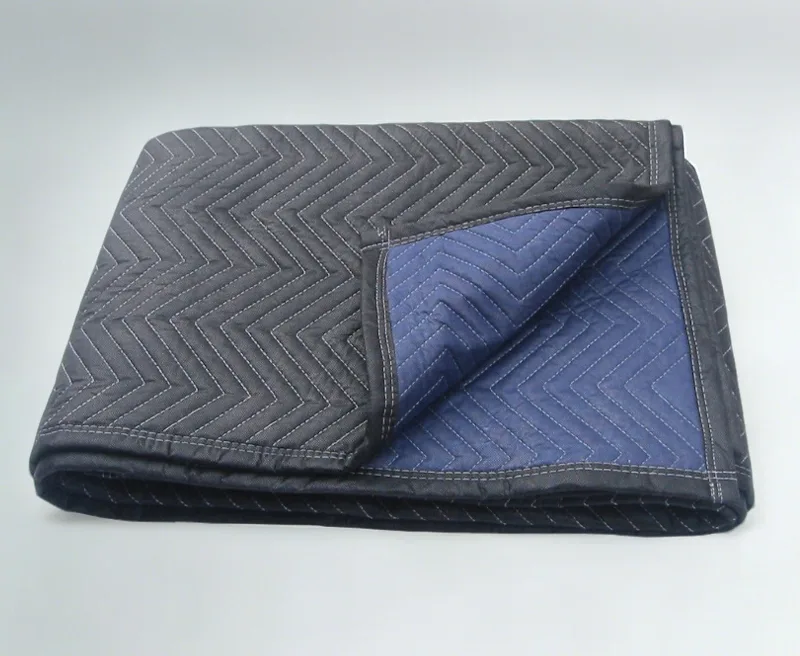
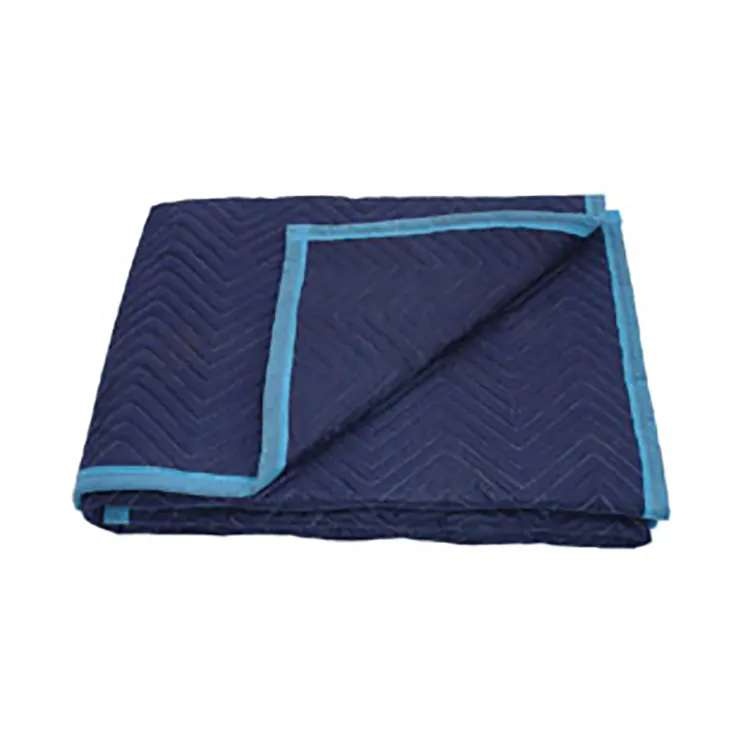
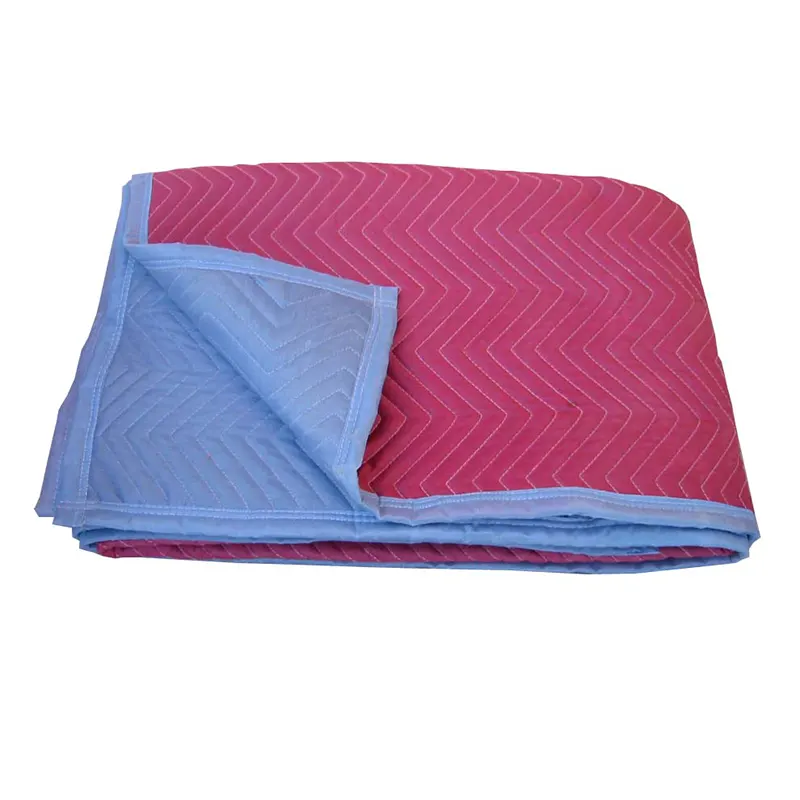
| Color | Gray, Blue, Green, Custom | Custom colors available |
| Packaging | 5, 10, or 20 per bale | Custom packaging available |
| MOQ | 500 pieces | Negotiable for large orders |
| Lead Time | 2 - 4 weeks | Depends on quantity and customization |
At our factory, we manufacture our Moving Blankets to meet these specifications and more. We can customize the size, weight, materials, and color to suit your specific requirements. Our quality control system includes inspection of raw materials, in-process inspection, and final inspection before shipment. Our goal is to provide our customers with high-quality Moving Blankets that protect their furniture and enhance their reputation.
7. Frequently Asked Questions (FAQ)
Question 1: How do moving blankets actually reduce friction between items?
Answer: Moving Blankets reduce friction by creating a low-friction interface between the blanket and the item, while the blanket itself absorbs the abrasive contact. The outer shell of the blanket is made from a smooth, tightly woven fabric that slides easily against the item. The inner core provides cushioning that separates the surfaces of the items, preventing direct contact. This combination of low-friction surface and physical separation reduces the amount of friction that occurs between the items themselves.
Question 2: What is the best material for a moving blanket that will be used to protect polished furniture?
Answer: For polished furniture, the best material is a soft, tightly woven cotton or cotton-poly blend. These materials are smooth enough to avoid scratching the finish, and they are absorbent enough to wick away moisture. Avoid blankets with rough or non-woven outer shells, as these can cause abrasion. At Wenzhou Top Packaging Co., Ltd., we offer blankets with soft cotton and polyester outer shells that are suitable for polished furniture.
Question 3: How thick should a moving blanket be to prevent friction damage?
Answer: The thickness of the blanket affects its ability to separate surfaces and absorb impact. For general moving applications, a blanket with a thickness of 8 to 15 mm is recommended. Thicker blankets provide better separation and cushioning, but they are also heavier and more difficult to handle. The choice depends on the items being moved and the conditions of transport.
Question 4: Can moving blankets be used on hardwood floors to reduce friction?
Answer: Yes, Moving Blankets can be used on hardwood floors to reduce friction and protect the floor from scratches. The blanket acts as a protective layer between the furniture and the floor, preventing direct contact. The smooth outer shell of the blanket reduces friction, making it easier to slide furniture across the floor without damaging the finish. This is a common practice in residential moving.
Question 5: How do I clean moving blankets without reducing their friction-reducing properties?
Answer: Moving Blankets can be cleaned by machine washing in cold water and tumble drying on low heat. Avoid using bleach or fabric softeners, as these can damage the fibers and reduce the blanket’s effectiveness. For heavy-duty blankets, commercial laundering is recommended. Regular cleaning removes dirt and debris that can cause abrasion and reduces the blanket’s ability to protect items.
8. Conclusion
Moving Blankets reduce friction between items through a combination of low-friction outer shells and cushioning inner cores. The outer shell provides a smooth surface that allows items to slide without abrasion, while the inner core separates the surfaces of the items and absorbs impact. This dual mechanism protects furniture, boxes, and equipment from scratches, scuffs, and wear during transport. For procurement managers, understanding these mechanics is essential for selecting the right blankets for their fleet. At Wenzhou Top Packaging Co., Ltd., our factory has the expertise and the capability to produce high-quality Moving Blankets that meet the most demanding requirements. We use high-quality materials, precision manufacturing, and rigorous quality control to ensure that our blankets provide reliable protection and long service life.
Whether you are equipping a fleet of moving trucks, supplying a retail chain, or sourcing blankets for a furniture warehouse, we invite you to contact us to discuss your requirements. We can provide samples, quotes, and customized solutions. Our commitment to quality and customer satisfaction has made us a trusted partner for businesses around the world.
Contact Wenzhou Top Packaging Co., Ltd. today to discuss your Moving Blanket requirements and discover how our products can reduce friction and protect your items during transport.
Previous :
-
Related News
- How Do Moving Blankets Protect Appliances During Delivery?
- When Should You Use Moving Blankets Instead of Foam?
- Why Are Moving Blankets Essential for Furniture Protection?
- What Makes an Economy Moving Blanket the Smartest Choice for Protecting Your Furniture During a Move?
- Non-Woven Bag - Environmentally Friendly, Durable, and Multifunctional Portable Storage Container
- Soundproof Blanket - Highly Effective Noise Reduction and Sound Absorption, Creating a Quiet Environment
Leave me a message
New Products

News Recommendations