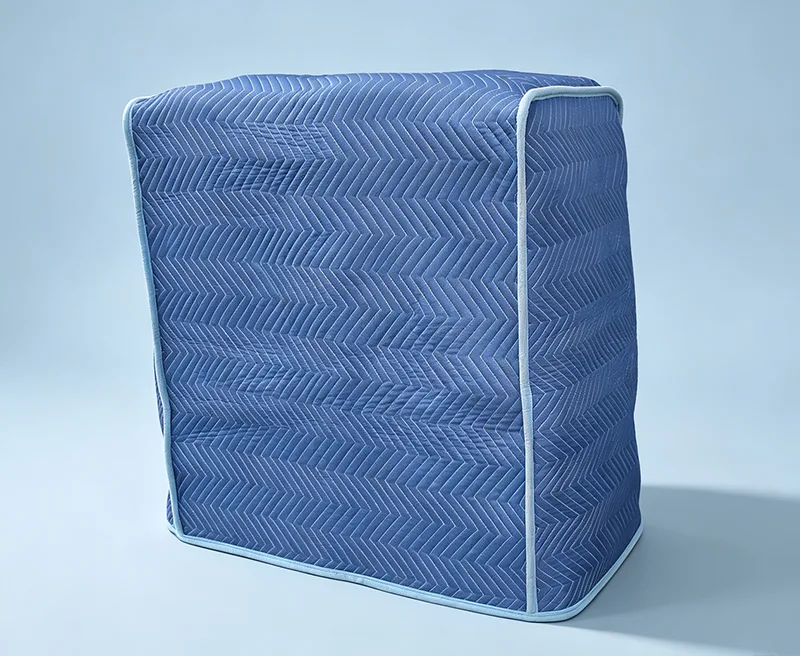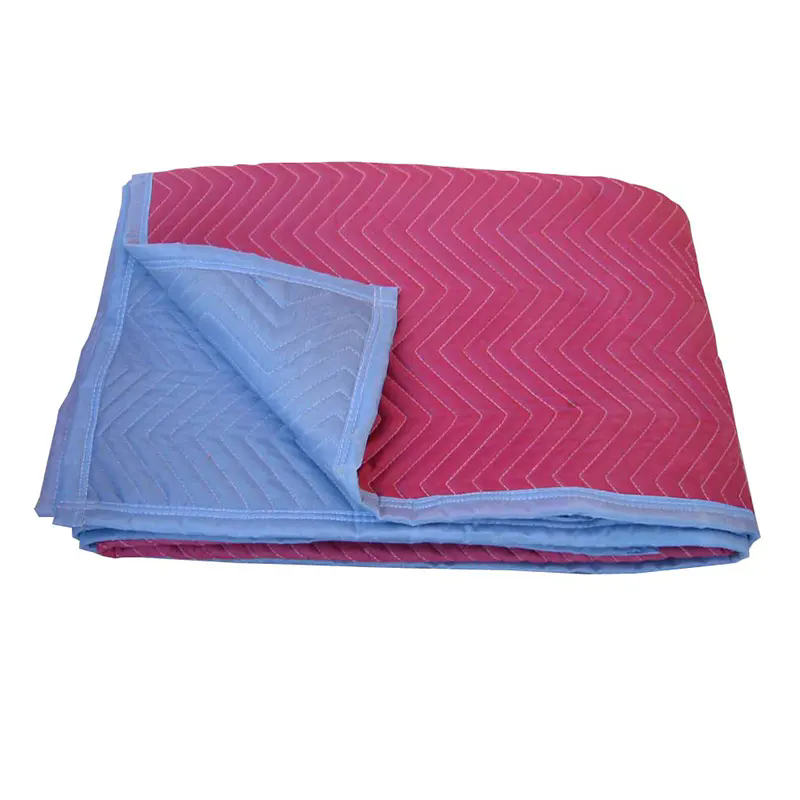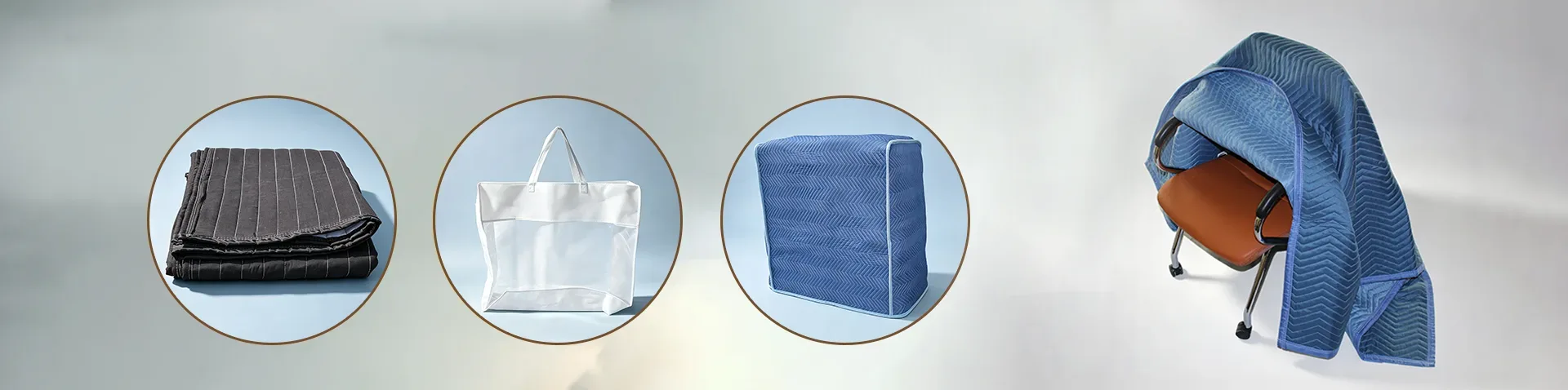
Wholesale Moving Blankets for Protection During Transit
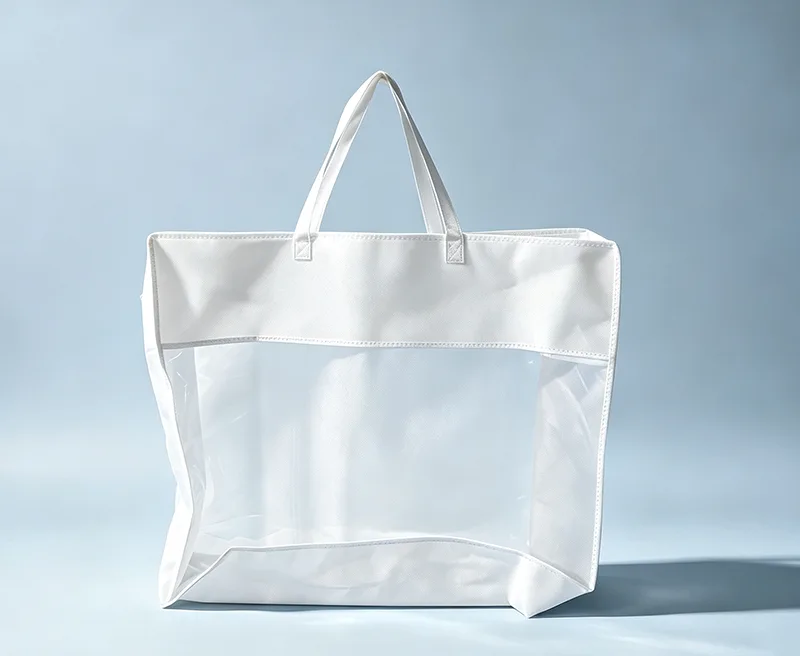
Established in 2005, TOP Packaging is a manufacturing facility specializing in products such as moving blankets, soundproof blankets, and tote bags. Designed to protect furniture, appliances, and other items during moving, warehousing, logistics, and cargo transport, these products are available in a wide range of materials, thicknesses, sizes, and colors.
Product Structure
1. Multi-layer Composite Impact-Resistant Structure
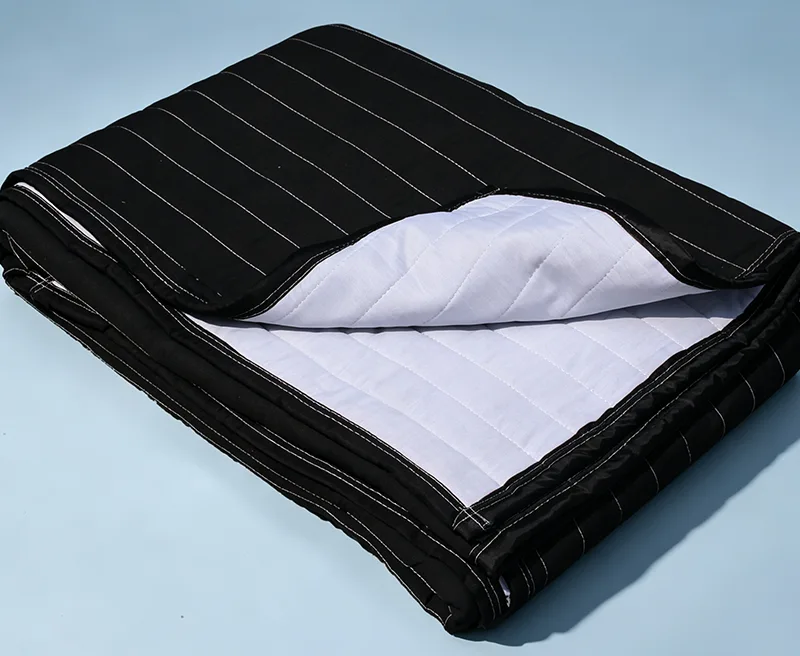
Outer Layer: Available in materials such as non-woven fabric, polyester, or microfiber; abrasion- and tear-resistant.
Inner Filling Layer: Filled with thick recycled cotton, effectively absorbing the bumps, impacts, and vibrations encountered during transport.
2. Stitching Construction
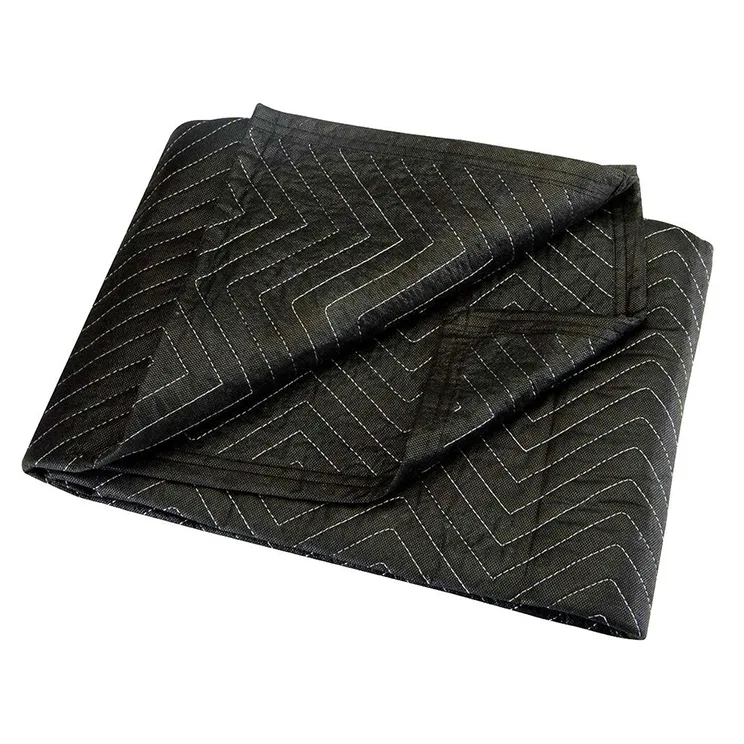
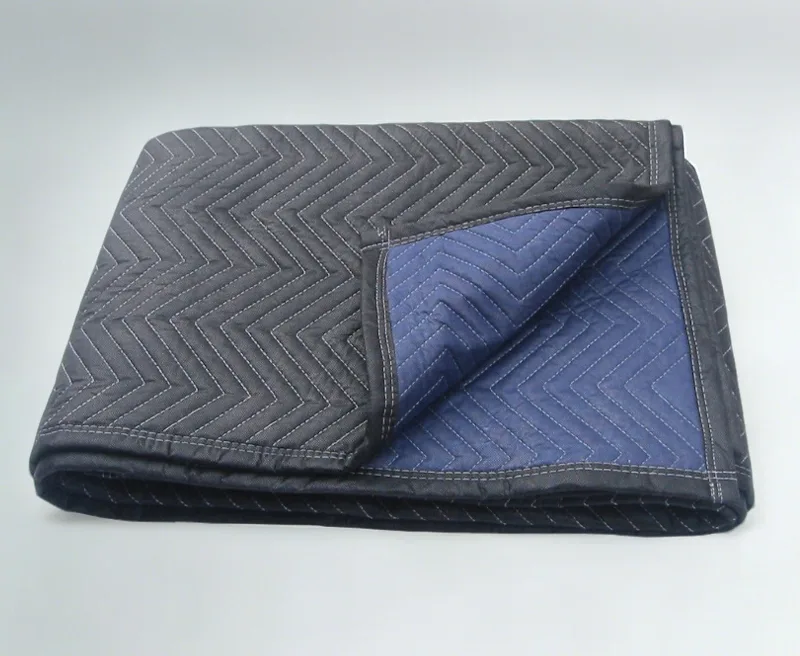
Features zigzag and double-lock stitching to securely anchor the inner core, preventing shifting or clumping after repeated use and washing.
What Are the Primary Functions of a Moving Blanket?
1. Preventing surface scratches
When moving items such as furniture or appliances, friction can easily occur between the items themselves or between the items and vehicles or walls.
Moving blankets serve as a protective barrier, minimizing scratches, scuff marks, surface abrasion, and minor dings.
2. Cushioning against impacts
The thick fiber layer provides a degree of cushioning, absorbing minor shocks during handling and transport and reducing the risk of impact damage to furniture corners and surfaces.
However, as a soft cushioning material, a moving blanket cannot replace specialized rigid impact protection or high-strength cushioning materials.
3. Separating different items
In trucks, shipping containers, or warehouses, moving blankets can be placed between different items to reduce friction and collisions caused by vehicle vibrations or bumps during transport.
4. Protecting furniture corners and surfaces
Large items such as sofas, tables, chairs, cabinets, and bed frames can be given extra protection by wrapping or covering them with the moving pads.
Common Specifications
1. Standard Sizes
Universal standard size: 72" x 80" (approx. 182 cm x 203 cm), the most popular "gold standard" size in the industry, capable of covering the vast majority of large furniture items.
Small sizes: 48" x 72" or 54" x 72" (approx. 122/137 cm x 182 cm), suitable for wrapping small appliances, single chairs, or televisions, or for filling gaps between items.
2. Thickness Options
|
Categories |
Features and Materials |
Suitable Use Cases |
|
Light-duty moving blankets |
Thin; made of simple non-woven fabric; low cost |
One-off moves, light dust protection, or wrapping ordinary items that are not prone to damage from bumps |
|
Medium-duty/Heavy-duty moving blankets |
Moderate thickness; polyester fabric |
Standard equipment most commonly used by professional moving companies; suitable for the vast majority of furniture |
|
Ultra-thick protective blankets |
Extra thick; woven fabric or thickened cotton |
Moving high-end solid wood furniture, pianos |
Usage Scenarios
● Furniture Protection: Wrap items such as sofas, wooden tables and chairs, TV cabinets, and refrigerators in moving blankets during a move to prevent scratches or dents when navigating doorways, stairwells, or cargo areas.
● Filling Transport Gaps: Place between items inside the moving truck to act as a cushion, preventing collisions during transit.
● Dust and Mild Moisture Protection: Use as a dust cover to wrap items during long-term warehouse storage.
● Temporary Floor Protection: Lay down on hardwood floors or carpets when moving heavy objects to prevent scratches from dragging or stains from foot traffic.
Usage Precautions
1. Select the appropriate size for the item being protected
The moving blanket should cover the primary surfaces and corners requiring protection; choose a size large enough to ensure adequate coverage.
2. Ensure item surfaces are dry before wrapping
If there is moisture, oil, or other liquid on the surface of the furniture or equipment, clean and dry it thoroughly before wrapping with the moving blanket.
3. Be mindful of sharp corners and edges
This product is designed to minimize friction, scratches, and minor impacts; it is not a complete substitute for rigid corner protectors. For sharp furniture corners, metal edges, and protruding parts of machinery, it is recommended to use corner protectors or other cushioning materials in conjunction with the blanket.
4. Do not use as a securing device
The blanket provides coverage and cushioning but does not secure the load. When transporting goods in a vehicle, use straps, ties, or other securing devices to prevent the load from shifting during transit.
5. Avoid excessive pulling
Do not forcefully drag the blanket once it is wrapped around an item—especially if it gets snagged on a corner—to avoid damaging the edges, stitching, or outer fabric.
6. Be aware of potential staining on light-colored furniture
Before protecting white, light-colored, or high-value furniture, it is recommended to test the blanket on an inconspicuous area first.
7. Provide extra protection for heavy equipment
While the moving blankets provided by TOP Packaging are suitable for machinery and fitness equipment, it is recommended to use additional materials, such as foam or corner protectors, to safeguard areas particularly vulnerable to impact.
Why Choose TOP Packaging?
TOP Packaging offers a comprehensive range of moving blankets, from lightweight to professional-grade heavy-duty options, to suit various budget requirements.
Leveraging our production lines, we provide customization options for binding tape colors, moving blanket colors, and corporate branding (via printing logos on binding or labels), helping moving and logistics companies enhance their professional image.
Our high-volume production capacity, combined with a robust logistics and distribution system, ensures stable supply and rapid response for large-scale orders.
FAQ
Q: What should be considered when storing moving blankets for an extended period?
A: Before storing them in an enclosed space, ensure the blankets are completely dry to prevent the internal filling from developing mold or odors.
Additionally, keep them away from direct sunlight; prolonged exposure causes the fabric to degrade, become brittle, and lose strength due to UV radiation. Store them in a cool, dry place.
Q: Besides moving, what are some other practical uses for these blankets?
A: They can also be used for:
● Floor and wall protection: Laying them down during home renovations or painting prevents damage from dropped tools.
● Sliding heavy objects: Placing a sofa or refrigerator on the moving blanket allows you to drag it across the room without scratching the floor.
● Pet protection: Placing them on the back seat of a car acts as a protective mat against scratches from pets.
Q: How many times can they be reused?
A: There is no fixed number of uses. The actual lifespan depends on usage frequency, the amount of friction/wear, handling methods, cleaning and maintenance, as well as the materials and stitching construction.
High-frequency users, such as moving companies, should regularly inspect the edges, quilting stitches, and outer fabric.
Q: What specifications should I confirm with TOP Packaging when purchasing?
A: Please confirm the dimensions, weight per unit, outer fabric materials, color, and packaging method.
If you are a moving or logistics company, we also recommend specifying the items to be protected and the frequency of use so we can recommend the most suitable specifications.
- View as
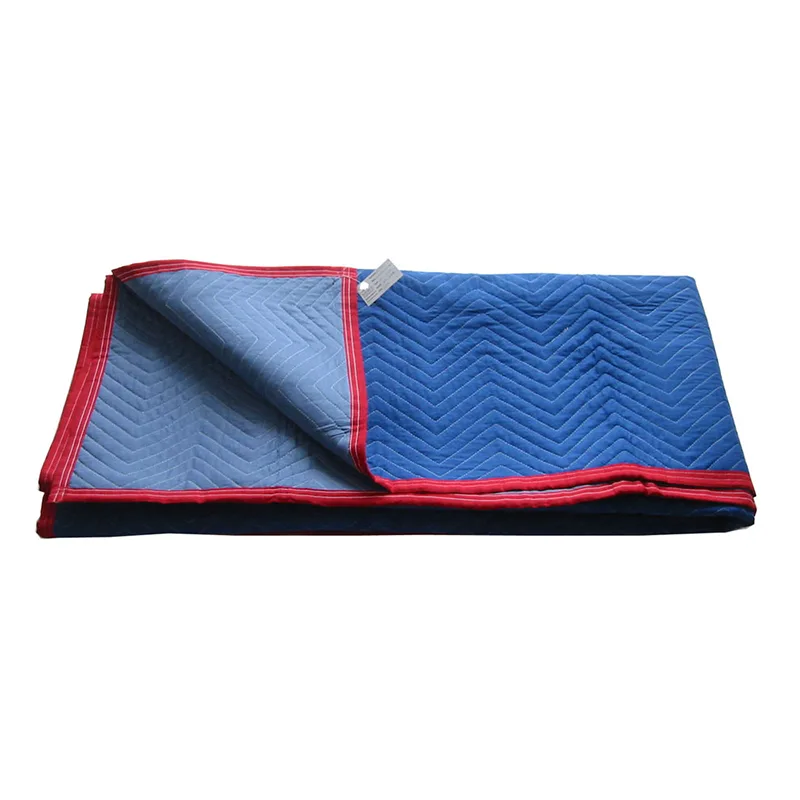
Cargo Protection Blanket for Transport
As a professional manufacturer and supplier in China, Top Packaging’s Cargo Protection Blanket for Transport by providing a reliable protective layer for furniture, equipment, and industrial goods during warehousing, container loading, and transit.
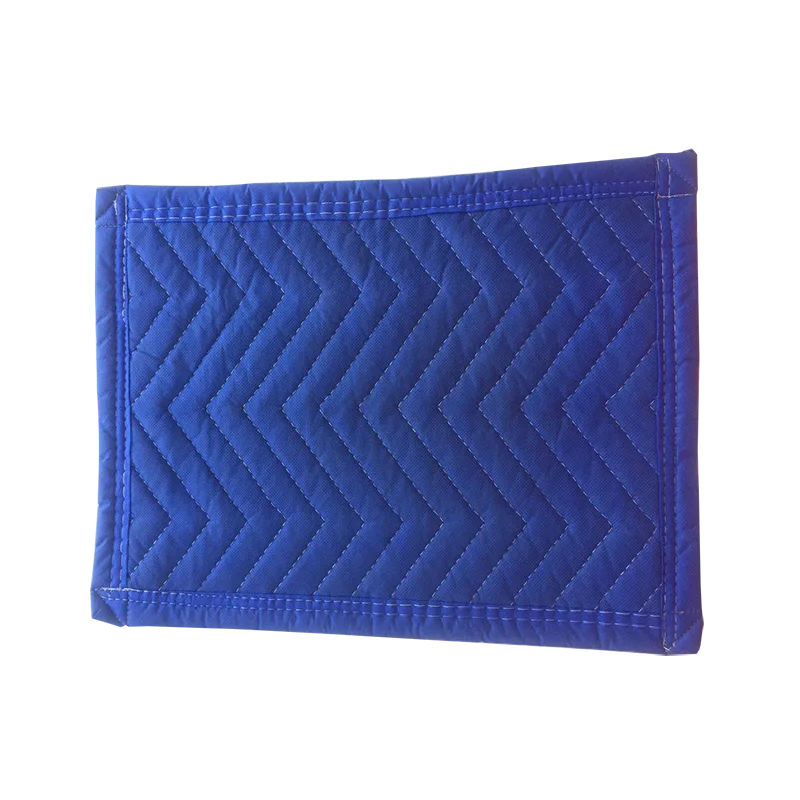
Furniture Protection Blanket for Moving Companies
Every moving company has unique protection needs; some jobs involve lightweight household furniture, while others require extra cushioning for office equipment or long-distance transport. Our Furniture Protection Blanket for Moving Companies comes in various thicknesses, allowing moving companies to select the optimal level of protection based on transport distance, operational budget, and furniture type.
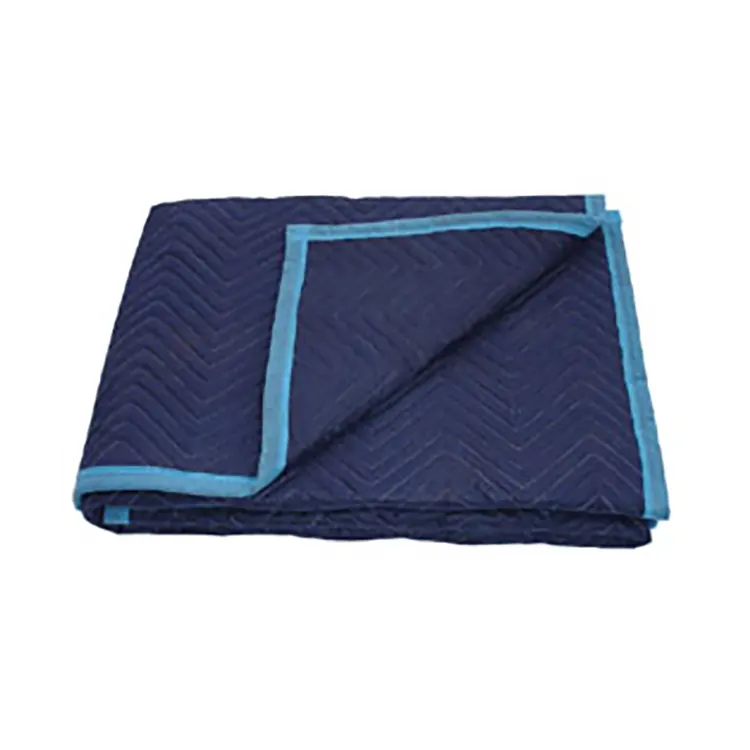
Heavy-Duty Furniture Moving Blanket
Protection is paramount when transporting valuable or fragile furniture, appliances, and office equipment. Each of TOP Packaging's Heavy-Duty Furniture Moving Blanket is crafted from high-quality non-woven fabric and quilted with reinforced double-lock zigzag stitching. Filled with 100% recycled cotton, the blankets ensure even padding distribution even after repeated use, while their thick construction guarantees long-lasting durability.
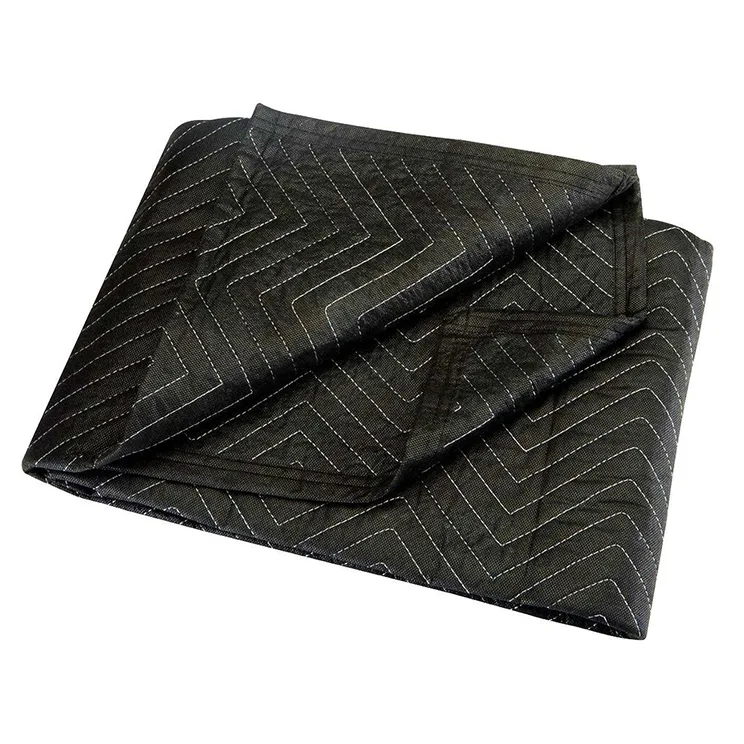
Economy Moving Blanket
Wenzhou Top Packaging Co., Ltd. is a Chinese manufacturer of economy moving blankets with over 20 years of industry experience. We guarantee the quality of our products and have established strong partnerships with overseas clients. Our moving blankets feature a quilting construction; the thickness filler allows items being protected.
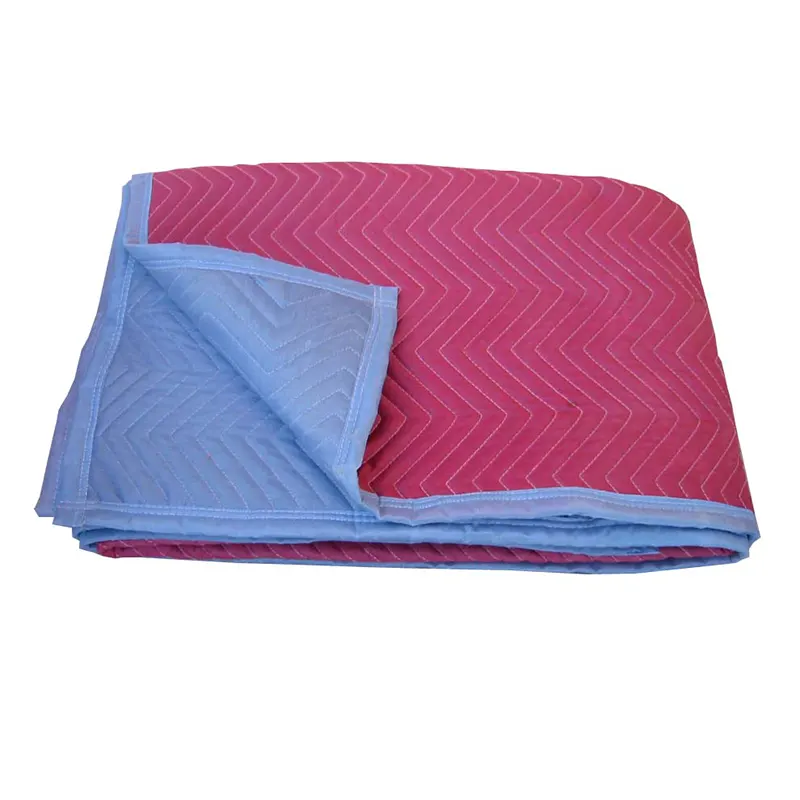
Protective Cover for Industrial Machinery and Equipment
TOP Packaging manufactures protective cover for industrial machinery and equipment using durable materials. Designed specifically for the handling or transport of furniture, appliances, industrial machinery, sports equipment, and other items, the covers effectively prevent damage caused by scratches, bumps, and dirt.
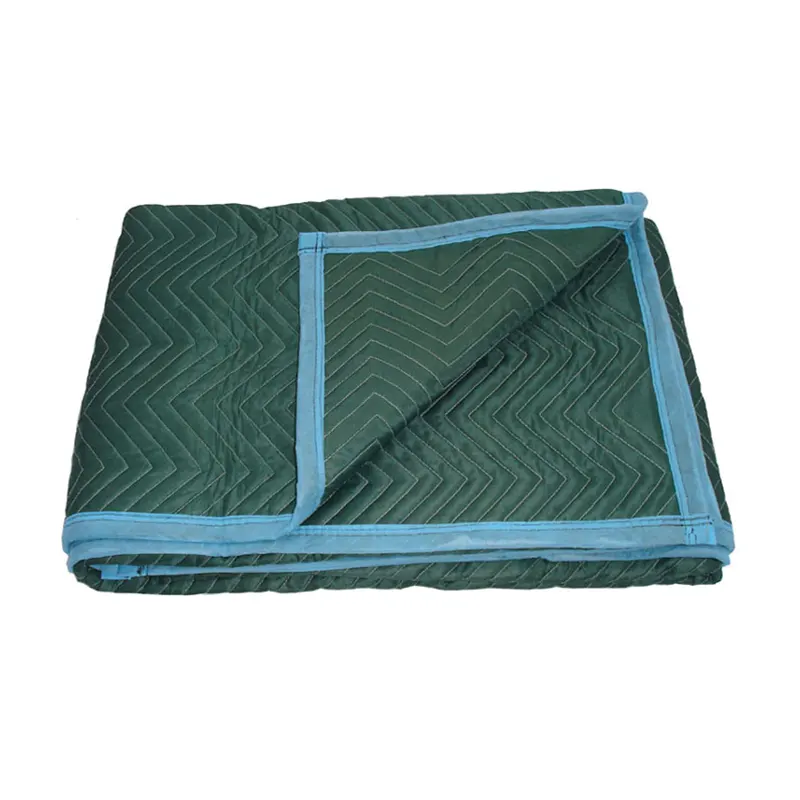
Protective Pad for Warehouse Storage
Choose TOP Packaging as your manufacturer and supplier for a reliable, long-term supply of high-quality protective pad for warehouse storage. The pads provide dependable protection throughout the entire process of storage, handling, and distribution, effectively preventing scratches, dents, dust accumulation, and pressure marks.
As a reliable Moving Blankets manufacturer and supplier in China, we have our factory. If you want to buy quality and durable products, please contact us.
News Recommendations