Sturdy Non-Woven Tote Bags Wholesale for Promotional Events
TOP Packaging is a manufacturer of high-quality non-woven tote bags. This product series offers excellent structural rigidity and reusability while remaining lightweight and cost-effective, making it ideal for bulk customization.
Key Features
1. Cost-Effective
The production process for non-woven tote bags is streamlined, allowing for rapid turnaround. When purchased in bulk, the unit price is lower than that of canvas or woven totes, making them an ideal choice for cost-conscious projects.
2. Lightweight and Foldable
Non-woven material is extremely lightweight; the bags can be easily folded flat for storage when not in use, making them convenient to carry around.
3. Smooth, Print-Friendly Surface
The fabric features either a fine embossed pattern or a smooth surface, making it highly suitable for single-color or multi-color screen printing and color film lamination, resulting in clear, vibrant designs.
4. Eco-Friendly and Recyclable
Made from recyclable plastic (PP), these bags offer the durability required for repeated use, unlike single-use plastic bags, and can either gradually degrade in the natural environment or undergo physical recycling after disposal.
Non-Woven Tote Bags vs. Woven Tote Bags: Key Differences
|
Item |
Non-woven Tote Bag |
|
|
Material |
PP non-woven fabric |
PP woven fabric |
|
Weight |
Lighter |
Heavier |
|
Cost |
Lower weight |
Medium |
|
Load capacity |
Medium weight |
Stronger |
|
Abrasion resistance |
Medium weight |
Better |
|
Printing |
Suitable |
Suitable |
|
Mass promotion |
Excellently suitable |
Suitable |
|
Supermarket shopping |
Suitable for light to medium-sized items |
More suitable for heavier items |
|
Brand promotion |
Suitable |
Suitable |
|
Reusable |
Not suitable for high-frequency repeated use |
More suitable for high-frequency repeated use |
In What Scenarios Are Non-woven Tote Bags Primarily Used?
1. Retail and Supermarket Shopping: Suitable as paid or complimentary shopping bags at checkout counters, replacing traditional plastic bags, for carrying fresh produce, daily necessities, and other items.
2. Trade Shows and Conferences: Used to hold materials, gifts, water bottles, and more; they are standard-issue items for industry exhibitions, forums, and training sessions.
3. Corporate Promotion and Gifting: Featuring company logos, slogans, or educational graphics, they serve as employee perks or client gifts, offering both practicality and a means to convey corporate culture.
How Do You Customize the Right Non-Woven Tote Bag?
1. Consider the Fabric Weight
|
Scenario Requirements |
GSM |
Load Capacity |
Selection Criteria |
|
Light-duty/Short-term |
70–80g |
3–5 kg |
Suitable for exhibition materials, light food takeout, and short-term promotions. Low cost, but not suitable for heavy loads. |
|
Standard/Routine |
90–100g |
5–8 kg |
Suitable for supermarket shopping, clothing packaging, and corporate gifts/benefits. Balances cost and durability. |
|
Heavy-duty/Long-term |
110–120g+ |
8–15 kg |
Suitable for industrial parts, large items, and long-term reuse. Requires reinforcement techniques. |
2. Material/Process Selection
Unlaminated (heat-pressed): Breathable, soft to the touch, low cost, and highly recyclable; however, the surface is not waterproof.
Laminated: Features a BOPP or PE film coating; waterproof and stain-resistant with vibrant print colors. Costs are slightly higher, and the film layer must be separated for recycling.
3. Reinforcement Methods
Handle Reinforcement: Standard heat-pressed edge sealing; optional stitched reinforcement (e.g., X-stitch or cross-stitching).
Bottom Board/Stiffener: For heavy-duty bags (100g+), a PP board or high-density felt liner is added to the bottom to prevent deformation or punctures caused by heavy loads.
4. Printing Processes
Screen Printing: Suitable for simple logos (1–3 colors); low cost, but cannot reproduce color gradients.
Thermal Transfer Printing: Suitable for full-color photos and complex gradients; requires the laminated material option.
Production Process
1. Requirement Confirmation
First, TOP Packaging confirms the product's intended use, target market, dimensions, materials, and printing specifications with you, followed by a manufacturability assessment.
2. Prototyping
Based on the confirmed parameters, a pre-production sample is created, incorporating the actual materials, dimensions, printing, and reinforcement techniques.
Once the physical sample is shipped and approved, it serves as the reference for mass production.
3. Raw Material Procurement and Incoming Inspection
We procure raw materials in strict accordance with approved sample standards and conduct rigorous Incoming Quality Control (IQC).
4. Standardized Manufacturing
Precision cutting is performed using automated cutting machines, followed by screen printing or heat transfer printing as required, with strict control over color deviation.
Industrial-grade sewing equipment is used for assembly. Load-bearing areas are reinforced using X-stitching or folded-edge techniques.
FAQ
Q: Why do printed patterns on non-woven fabric sometimes appear to have a grid-like texture?
A: Standard non-woven fabric features an inherent dot-patterned texture. When direct screen printing is used, the ink penetrates the material, revealing the underlying grid-like texture of the fabric.
If you require high-resolution, full-color photographic quality, we recommend using the film lamination process.
Q: What are the key advantages of laminated non-woven bags?
A: They are water-resistant, dirt-resistant and easy to wipe clean, offer superior tensile strength, and allow for vibrant, full-color visual effects.
Q: What is the typical lead time for custom orders?
A: Sample production usually takes 7–10 business days, while mass production generally takes about 20–30 business days following sample approval.
We recommend placing orders at least 30–45 days in advance for promotional events.
- View as
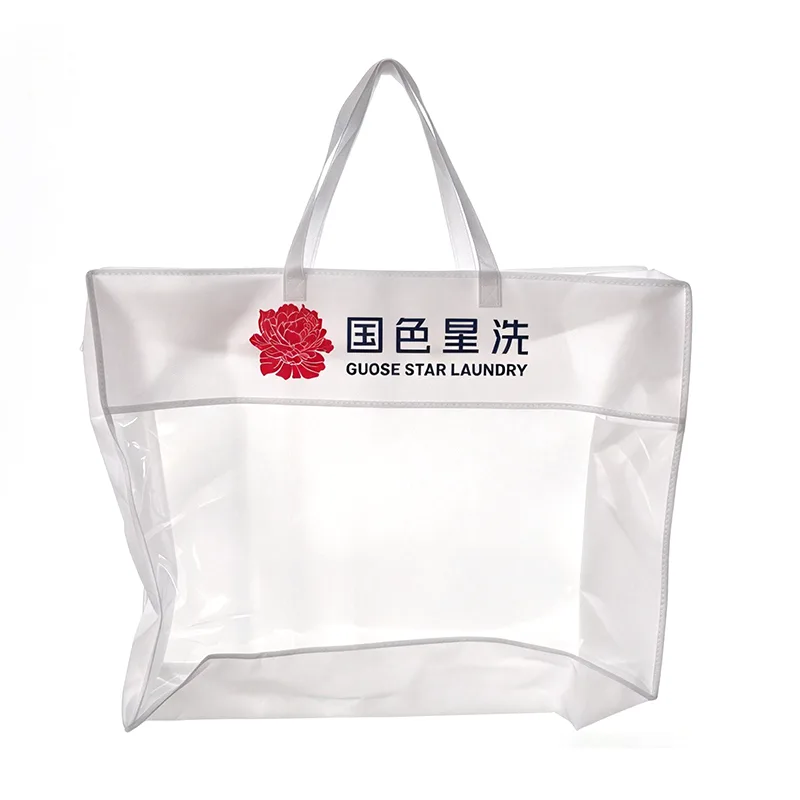
Advertising Non-Woven Bag
Welcome to TOP Packaging. As a professional manufacturer of packaging bags, we offer custom printing, including company logos, brand slogans, product imagery, or promotional messages, to create non-woven advertising bags tailored to your brand. Crafted from durable 80–120 gsm fabric, these Advertising Non-Woven Bags are built to withstand continuous, high-frequency use, serving as a vehicle for ongoing brand exposure.
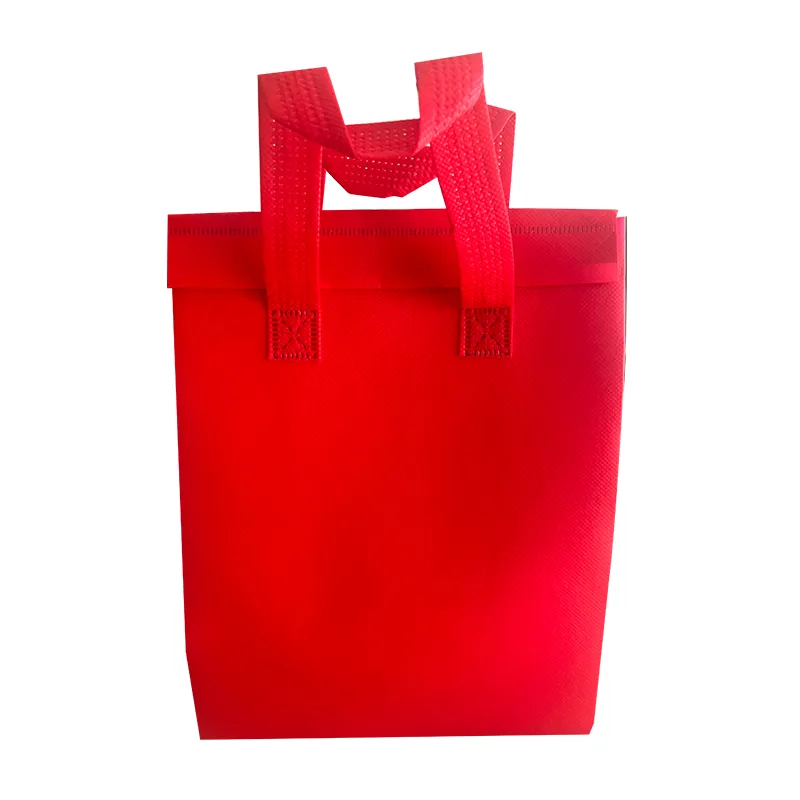
Supermarket Shopping Non-Woven Tote Bag
Established in 2005, TOP Packaging is a manufacturer and supplier of supermarket shopping non-woven tote bags. With extensive industry experience, the company offers a product range that includes various types of bags, moving blankets, soundproofing blankets, and more. These non-woven bags feature high structural strength and reusability, and are enhanced with a lamination coating to make them water-resistant.
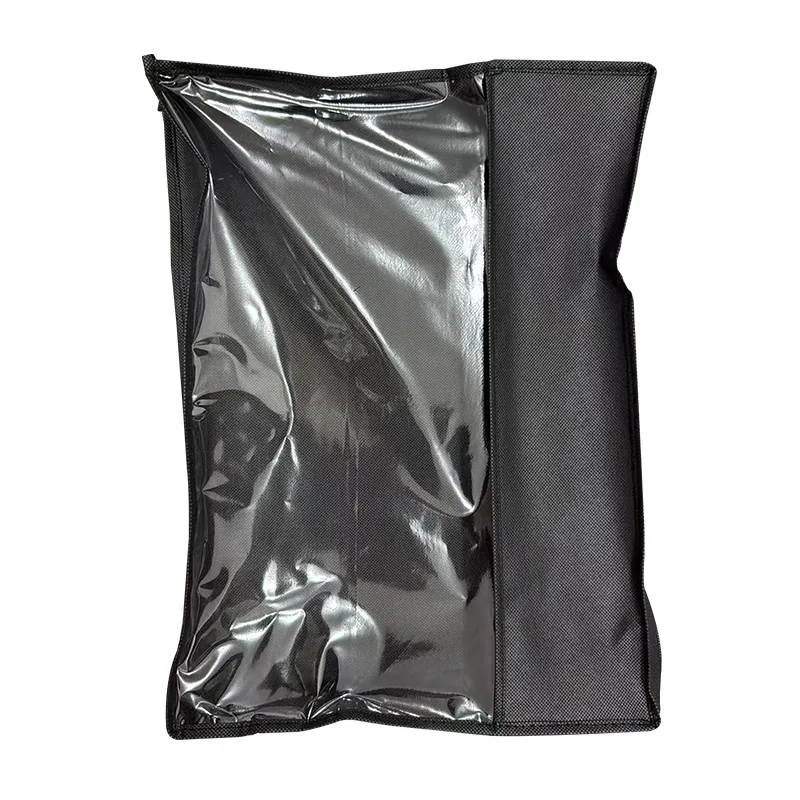
Retail Packaging Non-Woven Bag
Retail packaging non-woven bags are designed for product packaging, carrying, and brand display within the retail sector. As a professional manufacturer, TOP Packaging offers customized solutions and wholesale pricing; these bags combine thickened non-woven fabric with a variety of finishing techniques to deliver a product that is both attractive and practical.
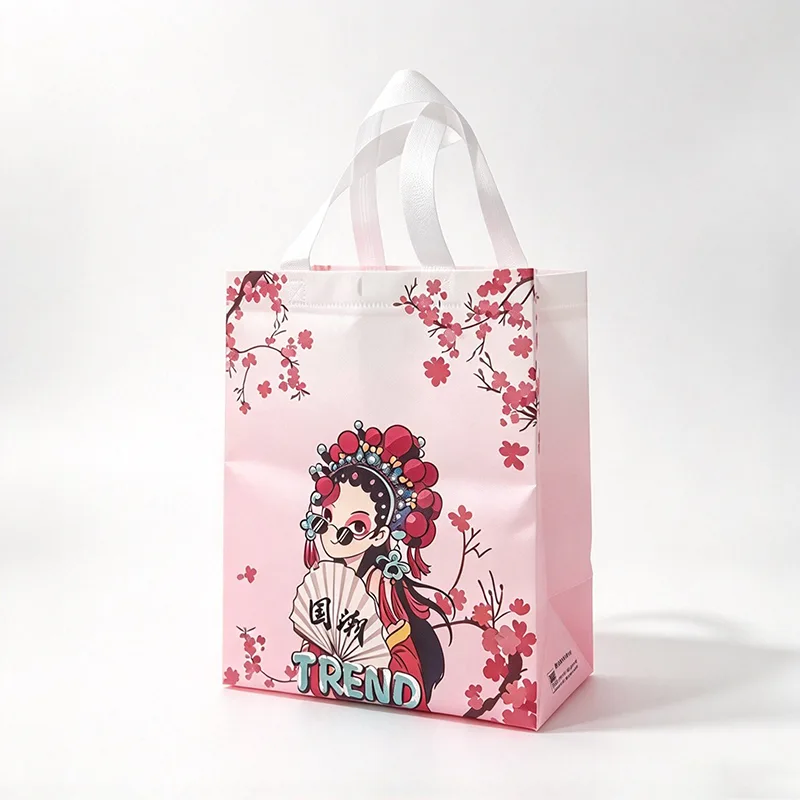
Grocery Store Non-Woven Bag
Produced by TOP Packaging and sold directly from the factory, these grocery store non-woven bags offer extensive customization options. They feature an expandable design with bottom and side gussets and are available in fabric weights ranging from 80 to 120 gsm, ensuring superior load-bearing capacity. Water-resistant, they are ideal for carrying a wide variety of groceries.
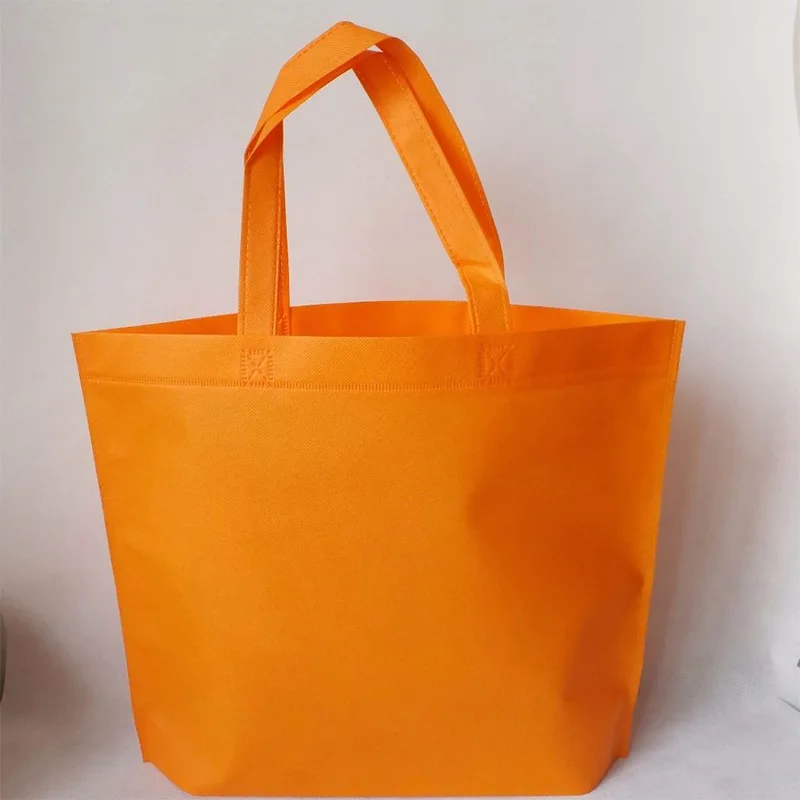
Non-Woven Bag for Supermarket Use
As a specialized manufacturer based in China with over 20 years of industry experience, TOP Packaging produces non-woven bag for supermarket use. We offer a range of fabric weights, sizes, and bag structures tailored to product weight, capacity requirements, and frequency of use, and we support custom brand printing.
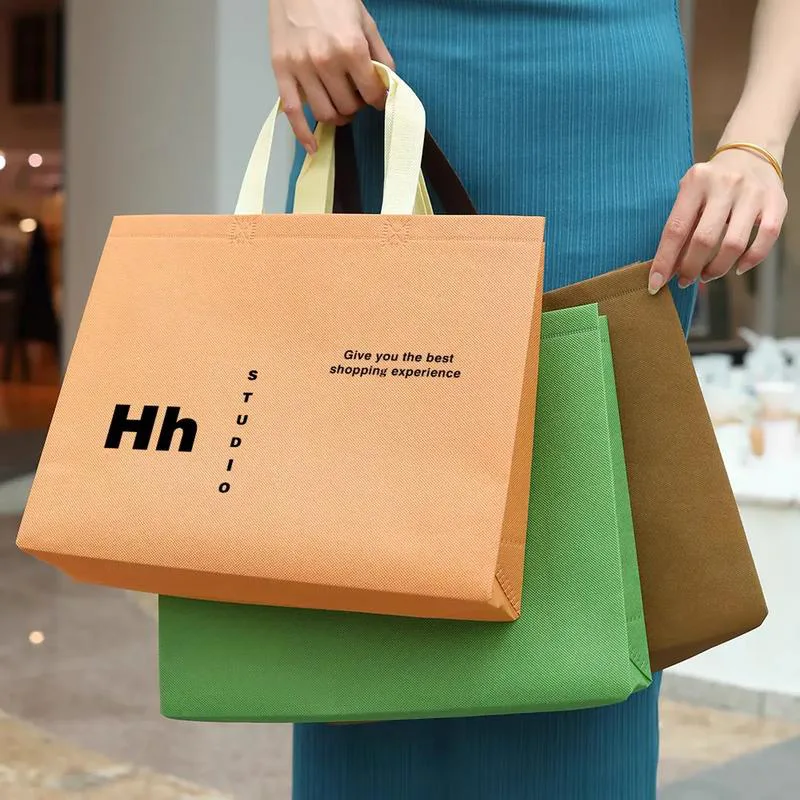
Non-Woven Carry Bag
Non-woven carry bags production is more efficient and costs far less than those of cotton or canvas. As a professional manufacturer, TOP Packaging offers a wide range of styles, sizes, and surface finishes; please contact us to discuss your requirements.
As a reliable Non-Woven Tote Bags manufacturer and supplier in China, we have our factory. If you want to buy quality and durable products, please contact us.
News Recommendations