Wholesale Felt Pads for Furniture Legs with Strong Adhesive Backing
If you are looking for felt pads, choose TOP Packaging as your manufacturer and supplier. With over 20 years of industry experience, we are handling bulk orders in short times.
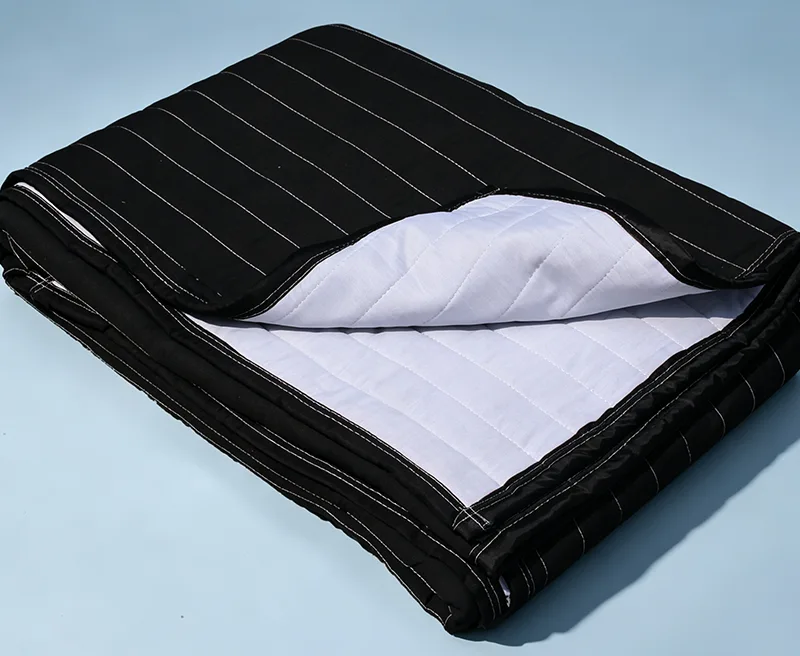
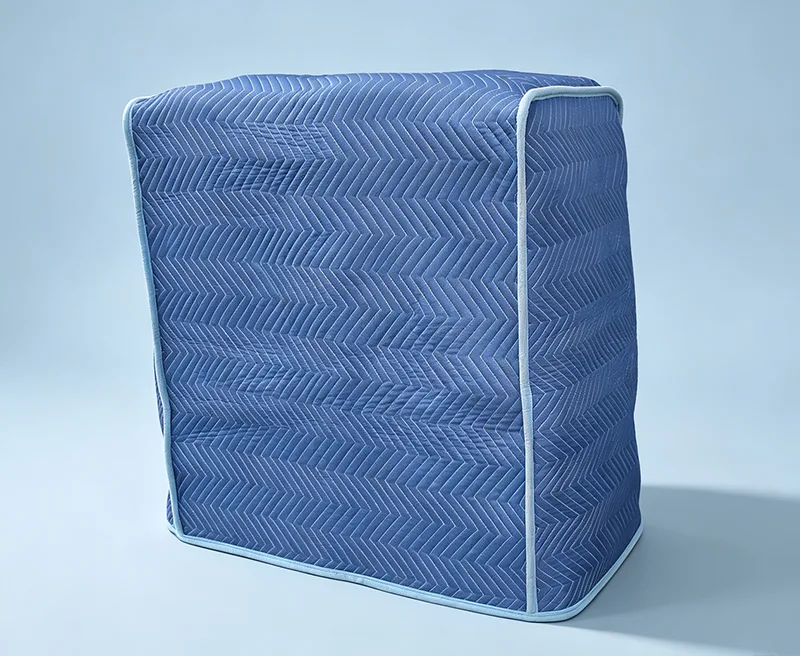
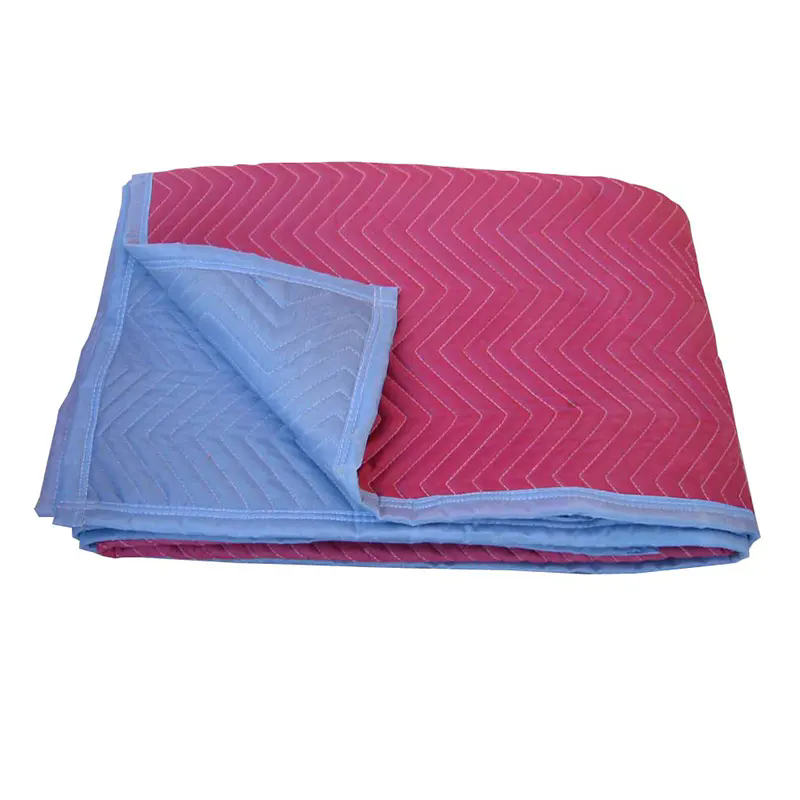
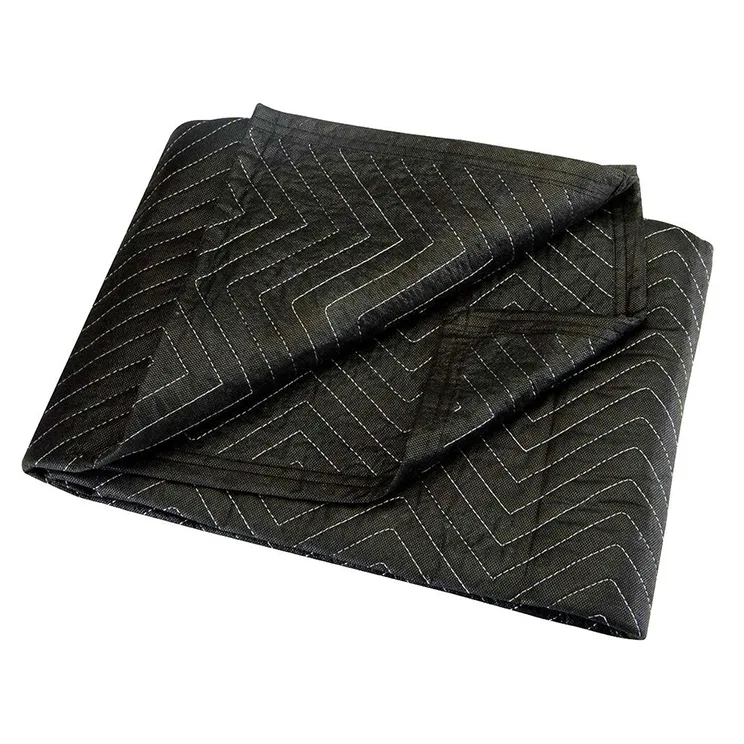
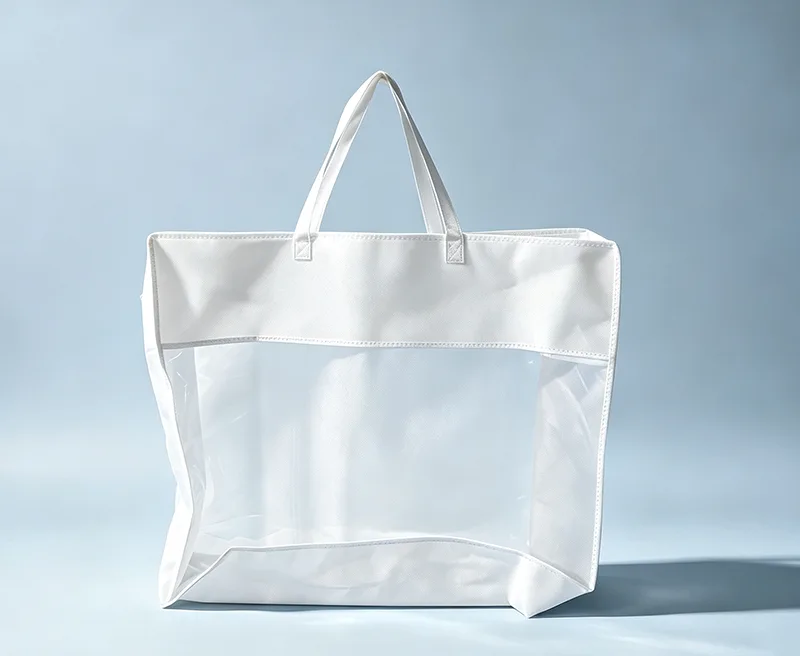
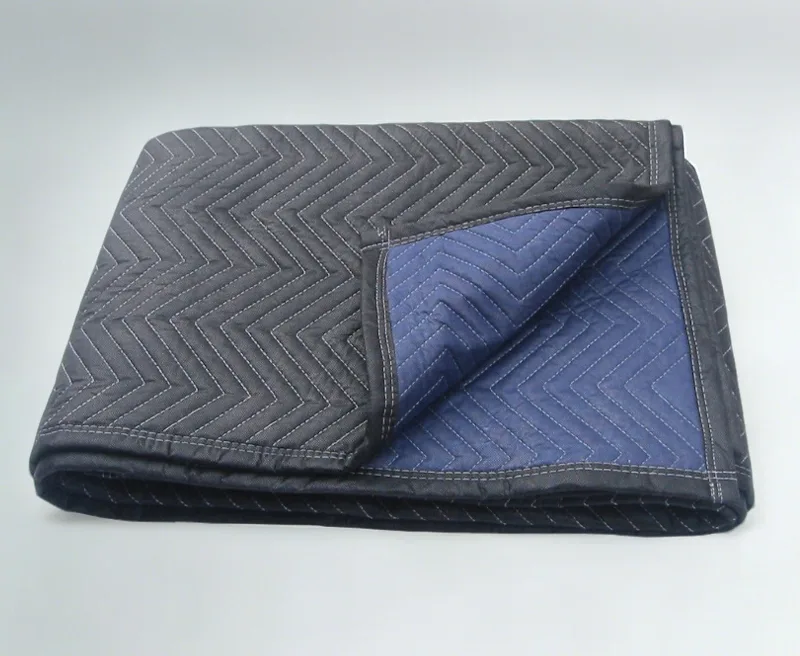
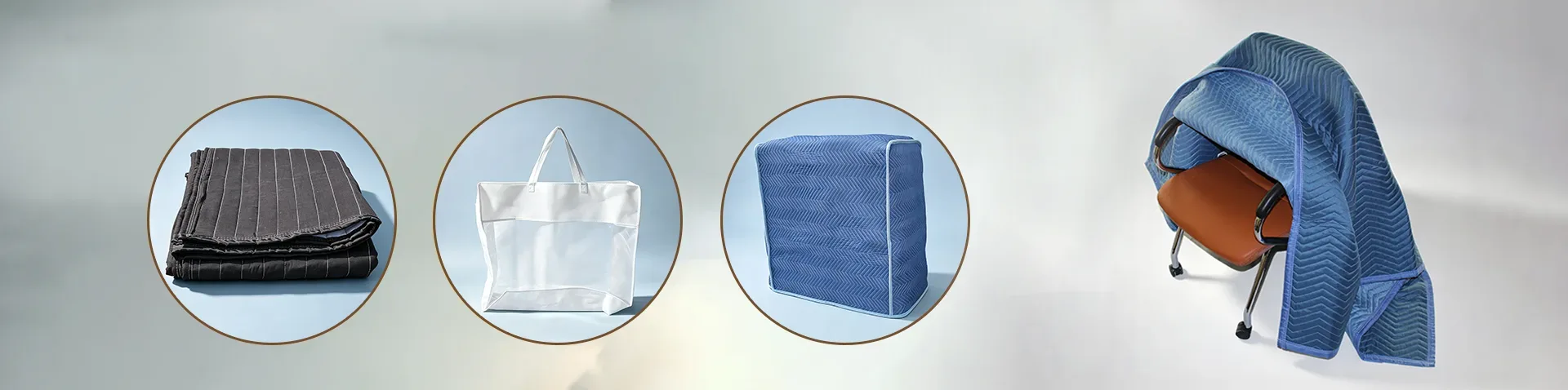
These pads provide surface protection, separation, and cushioning during handling, transport, storage, and construction. They can also be purchased alongside our moving blankets and furniture covers to ensure comprehensive protection.
Product Functions
1. Protects furniture surfaces
Felt pads can cover or be placed beneath furniture surfaces, creating a flexible barrier during handling, loading, unloading, and transport. This minimizes friction caused by direct contact with floors, vehicles, walls, or other cargo.
2. Provides cushioning and isolation
The fibrous felt layer features a specific thickness and lofted structure, creating a buffer zone between furniture or cargo items to mitigate the impact of minor collisions and compression.
3. Prevents friction between cargo items
When transporting multiple pieces of furniture or equipment, felt pads can be placed between items to minimize direct contact between the cargo itself or between the cargo and the vehicle's interior.
4. Protects furniture edges and specific areas
Felt pads can be folded, cut, or repositioned as needed to protect furniture edges, sides, and other areas prone to friction.
5. Protects floors and work areas
In addition to protecting furniture, these pads can be laid on the floor to serve as a protective layer between the floor and furniture, tools, or equipment, thereby reducing surface damage caused by friction or minor bumps.
Application Scenarios
1. Residential Moving: Used to protect sofas, beds, mattresses, tables, chairs, wardrobes, cabinets, and appliances; can be draped over items or folded to fit specific sizes.
2. Professional Moving Companies: Utilized for covering, wrapping, separating, and cushioning; can be cut on-site to match the dimensions of the furniture being moved.
3. Furniture Manufacturers: Provides temporary protection for products before they leave the factory.
4. Furniture Logistics and Transport: Placed between furniture items during loading and transit to minimize friction and rubbing.
5. Furniture Warehousing: Used as a covering during short- or long-term storage to protect against dust and abrasion.
6. Machinery and Equipment Transport: Serves as a flexible buffer layer between units to prevent direct surface contact and friction during transit.
7. Renovation and Construction Sites: Laid directly over wood flooring, tile, stone, or other surfaces requiring protection.
Instructions for Use
1. Pre-use Inspection
Ensure the felt pad is dry and clean before use; verify that the surface is free of hard debris such as grit, metal shavings, or wood chips.
2. Cut to Size
Cut the pad to fit the dimensions of the furniture or cargo; it is recommended to make the cut size slightly larger than the area requiring protection.
3. Cover Furniture Surfaces
Lay the felt pad flat or drape it over the furniture surface, ensuring it conforms as closely as possible to the furniture's contours.
Recommendations for different types of furniture:
Sofas → Cover the backrest, armrests, and main seating surfaces.
Tables → Focus protection on the tabletop, edges, and corners.
Wardrobes → Cover doors, side panels, and edges.
Appliances → Cover the outer casing and areas prone to friction.
4. Wrap Edges and Protruding Parts
For edges, table corners, and cabinet corners, fold the felt pad over the edge and add an extra layer of protective material if necessary.
For particularly sharp corners, it is recommended to apply specialized corner protectors before covering with the Felt Pad.
5. Secure the Protective Pad
Once covered, secure the pad using moving straps, stretch film, packing tape, reusable fasteners, or similar methods.
Avoid applying excessive pressure directly onto the furniture surface while securing the pad.
6. Moving and Loading
When moving furniture, avoid dragging it directly across rough ground whenever possible.
During loading, place felt pads between furniture items to act as a buffer layer, minimizing direct friction between goods during transport.
7. Post-use Inspection
After use, inspect the pad for significant damage, severe wear, contamination, or dampness. If it remains in good condition, it can be tidied up and reused.
Precautions
● Avoid dragging: Felt pads are primarily designed for protection and are not intended to withstand prolonged dragging across the floor.
● Do not use as a securing material: Protective pads only reduce friction and provide some cushioning; they cannot prevent furniture from shifting during transport.
● Do not use as waterproofing: Standard felt pads are not a substitute for waterproof packaging. If there is a risk of rain or moisture, add a waterproof film or other protective layer.
● Do not stack excessively: While multiple layers increase the thickness of the barrier, they also increase packaging bulk and handling difficulty. Determine the number of protective layers based on the value of the goods, transport distance, and actual risk.
FAQ
Q: How can I tell when a felt pad has lost its protective effectiveness and needs replacing?
A: When the felt has been compressed by weight over time to half its original thickness, or when the surface has turned black and hardened due to accumulated dust, it has lost its cushioning function. Continued use at this stage can actually abrade the floor like sandpaper, so it must be replaced immediately.
Q: What is the difference between a felt pad and a furniture cover?
A: A felt pad is a flat protective sheet that can be folded, laid out, or cut to size, offering greater flexibility in use.
A furniture cover, on the other hand, is designed to encase or fully cover the furniture for protection.
Q: Which customers are felt pads in roll form suitable for?
A: Roll-format products are particularly well-suited for moving companies, furniture logistics firms, furniture manufacturers, furniture warehousing businesses, and distributors of moving supplies.
They allow for on-site cutting to the exact length required for different furniture sizes, thereby reducing inventory pressure associated with stocking multiple standard-sized protective pads.
- View as
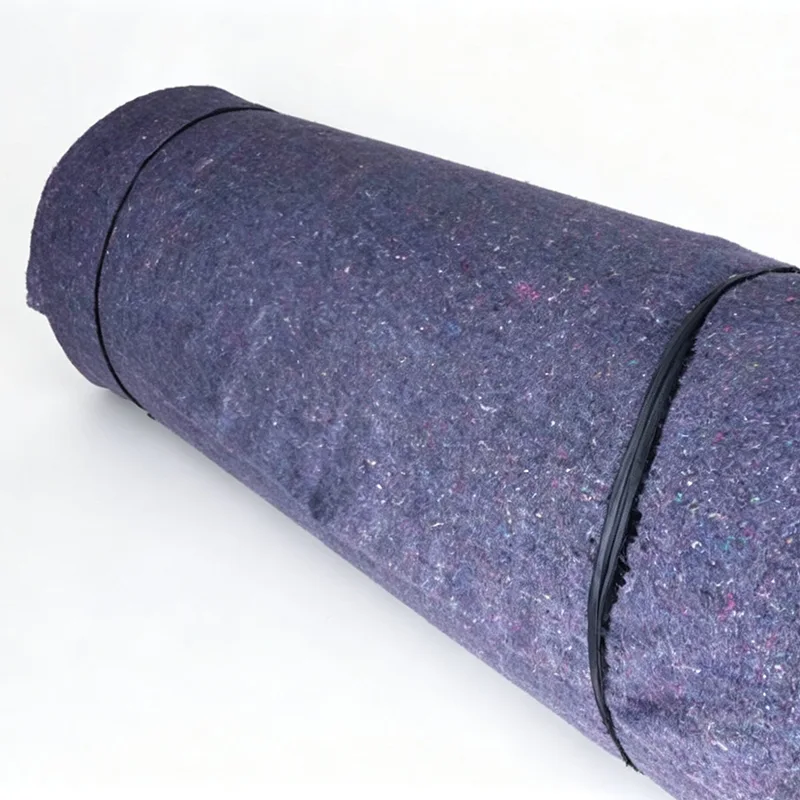
Roll-Packed Long-Size Felt Pad
TOP Packaging offers roll-packed long-size felt pads are available in two distinct types: a heavy-duty version made from recycled fibers and a version featuring a quilted outer layer. Width, length, color, and weight can all be customized; please feel free to contact us to discuss specifications and factory pricing.
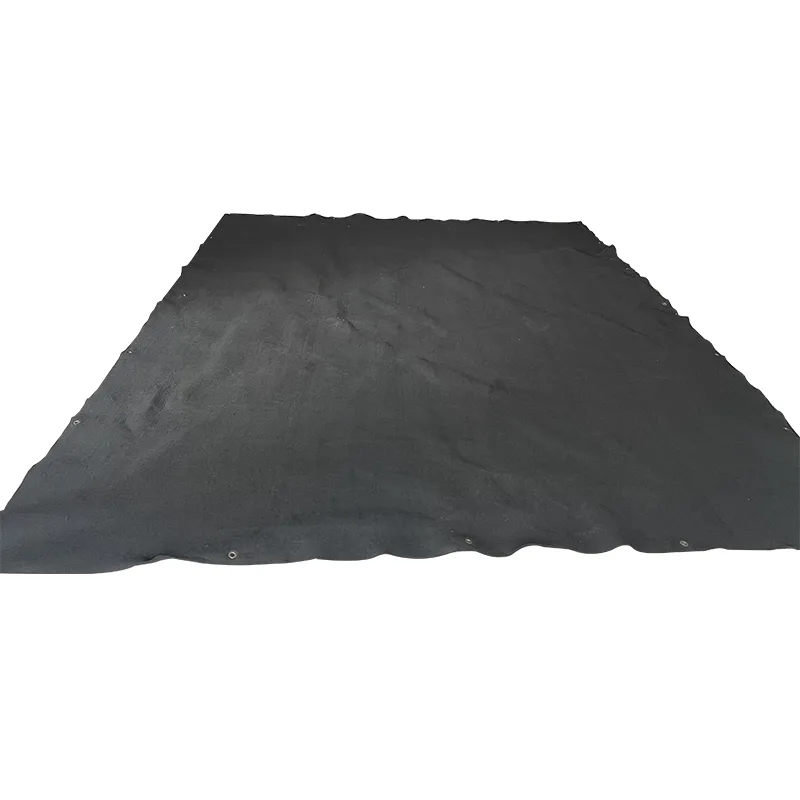
Recycled Material Filler Pad with Grommets
As a professional manufacturer, TOP Packaging offers a recycled material filler pad with grommets. Made from highly durable polyester fiber, these pads feature a soft texture that effectively absorbs impact, minimizing potential damage to furniture, such as coffee tables, chairs, and sofas, and various household items during handling or transport.
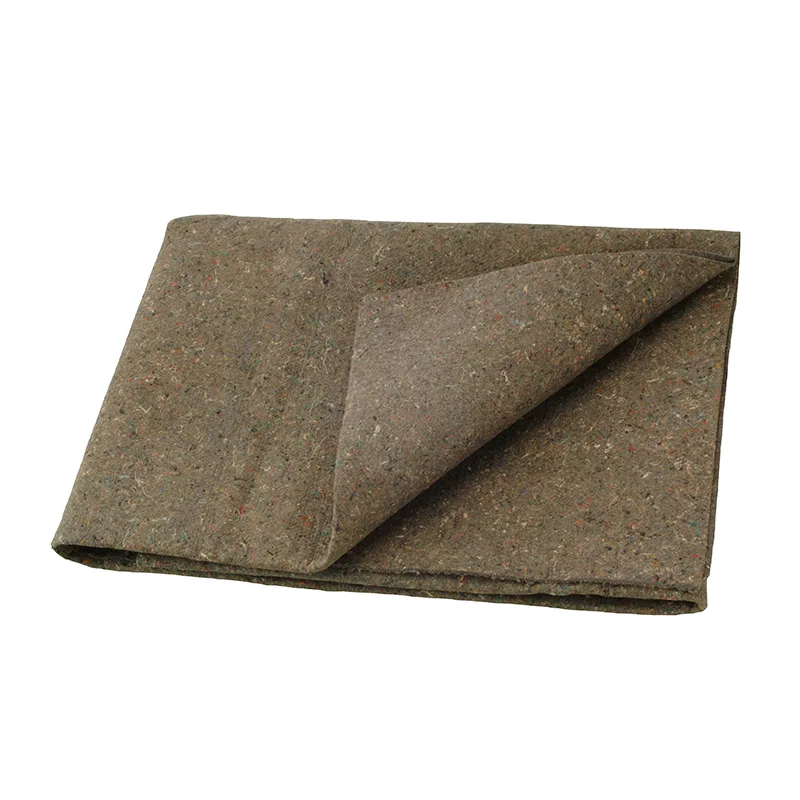
Recycled Material Filler Pad
TOP Packaging is a reliable manufacturer of recycled material filler pads. Designed to complement our protective products, such as moving blankets and furniture covers, these pads fill gaps between items, minimize impact and friction, and provide additional cushioning and protection.
As a reliable Felt Pads manufacturer and supplier in China, we have our factory. If you want to buy quality and durable products, please contact us.
News Recommendations