Wholesale Furniture Covers for Your Business
TOP Packaging is a professional manufacturer of moving blankets. This product line includes the furniture cover series, designed to cover furniture surfaces; these covers provide effective protection, whether temporary or long-term, against dust and damage during moving, transport, renovation, or routine storage.
What is a Furniture Cover?
A Furniture Cover is a flexible protective product designed for use during the handling, loading/unloading, transport, and storage of furniture; it is part of the TOP Packaging furniture protection series.
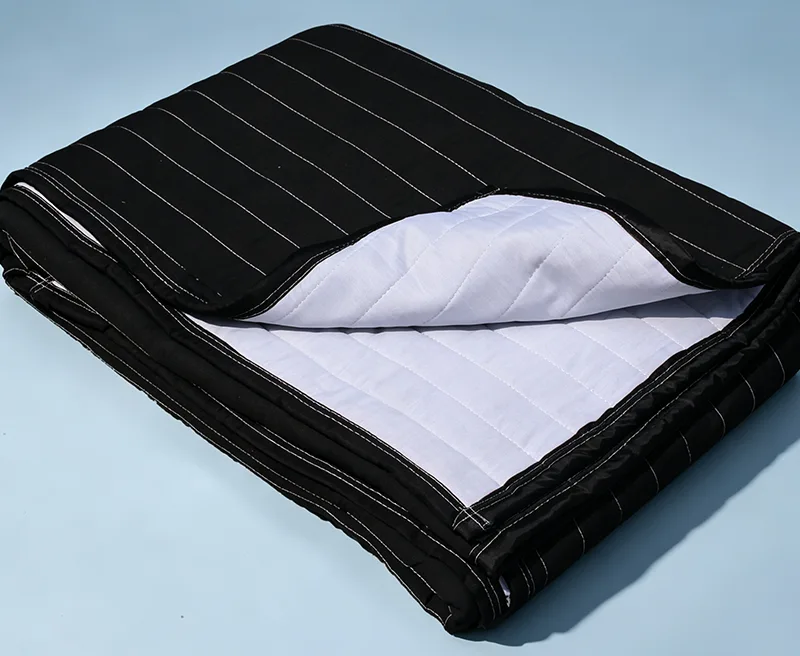
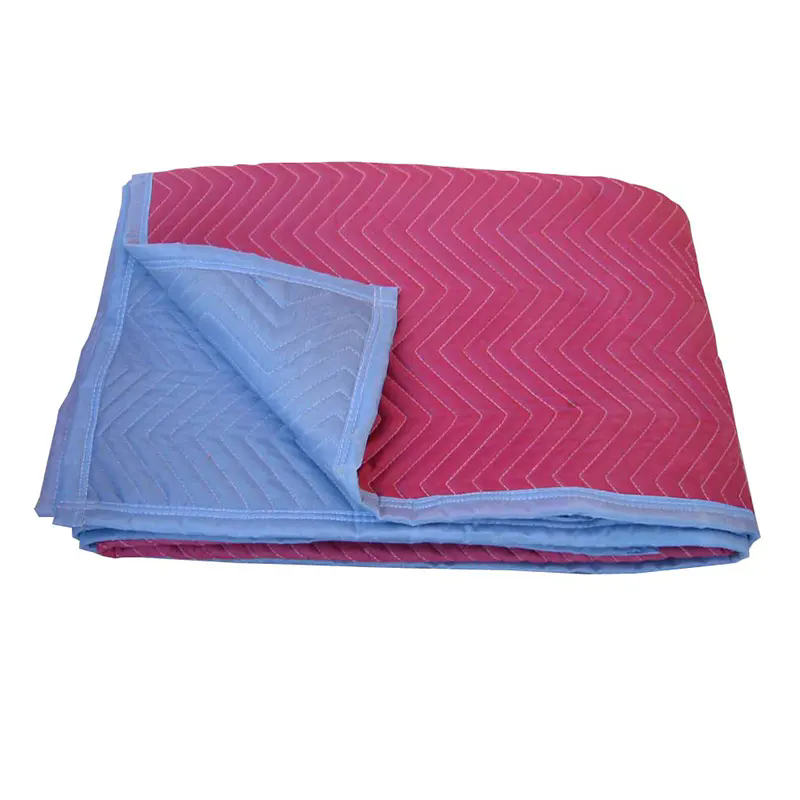
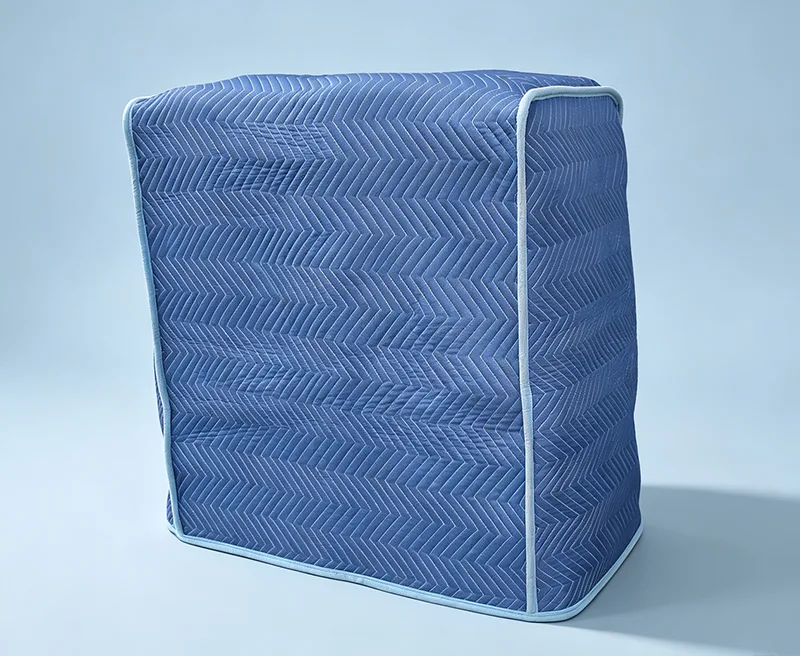
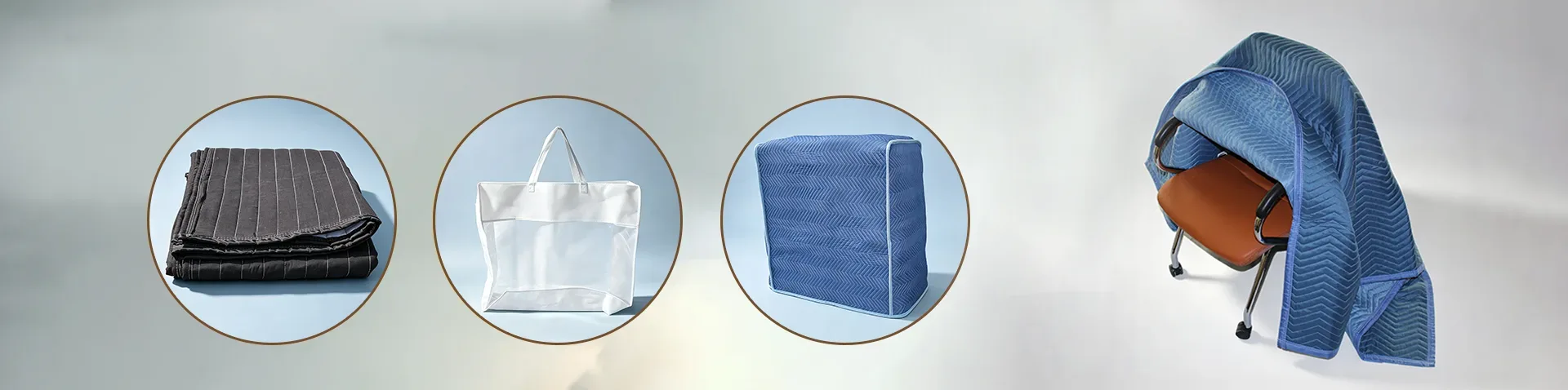
Unlike standard thin dust covers, our furniture covers feature a multi-layered design—comprising an outer fabric and an internal padding layer—held together by stitched construction. By slipping over or draping across the furniture, they create a flexible protective barrier that minimizes friction, scratches, minor impacts, and dust contamination during handling and transit.
These covers can be designed in various configurations to match specific furniture dimensions and shapes, ensuring a snug fit and preventing issues such as the cover slipping off or leaving areas exposed during handling.
They are suitable for moving companies, furniture logistics providers, manufacturers, warehousing enterprises, and furniture retailers.
Material Structure
1. Outer/Inner Lining Fabric: Options include non-woven fabric, woven polyester, or microfiber, depending on protection requirements.
2. Intermediate Cushioning Layer: Filled with high-density recycled cotton to absorb impacts and shocks.
3. Fastening and Stitching Construction:
Zig-Zag Stitching: Secures the filling material to prevent shifting.
Closure Design: Openings can be fitted with high-elasticity rubber bands, hook and loop to ensure a snug, non-slip fit.
What Items Are Furniture Covers Suitable for Protecting?
Furniture: Sofas, coffee tables, TV stands, bookshelves, mattresses, bed frames, wardrobes, dressers, dining tables, dining chairs, pianos, antique furniture, leather sofas, etc.
Appliances: Refrigerators, washing machines, dishwashers, televisions, computer monitors, audio equipment, etc.
Architectural elements and fixtures: In addition to furniture, they can also protect areas such as door frames and stair railings.
Standard Usage Instructions
1. Pre-installation Preparation
Clean dust and hard particles from the furniture surface to prevent fine scratches caused by friction during installation.
Verify that the furniture cover specifications match the target furniture before use.
2. Fitting and Alignment
Unfold the cover and locate the top or corner reference points. Drape the cover directly over the furniture, pulling it down along the contours to the base, and ensure all corners are fitted snugly in place.
3. Securing the Cover
Fasten the bottom elastic band or close the zipper. If auxiliary straps are included, pull them tight to secure the cover; there is no need for excessive use of stretch wrap.
Cleaning and Storage Guidelines
1. Cleaning Instructions
Routine Spot Cleaning: Simply remove surface dust using a brush, vacuum cleaner, or damp cloth.
Deep Cleaning: Machine wash gently using cold or warm water and a neutral detergent. Do not use bleach or fabric softeners.
Drying Instructions: Hang to air dry naturally after washing, use low-temperature industrial dryers.
2. Storage Requirements
Ensure the furniture cover is completely dry before storage to prevent mold growth or unpleasant odors in the filling.
Neatly fold and store in a cool, dry place; avoid prolonged exposure to direct sunlight, which can cause the fabric to age and become brittle.
Common Misconceptions and Correct Methods
|
Common Mistakes |
Proper Procedure |
|
Placing the cover directly over furniture that has hard dust, grit, or wood chips on it without wiping it down first. |
First, use a clean cloth to remove dirt, grit, and hard particles from the furniture surface to prevent fine scratches caused by friction. |
|
Using the cover's fabric or edges to drag or lift heavy furniture weighing hundreds of kilograms. |
Never use the fabric itself as a handle; lift the furniture instead of pulling the blanket. |
|
Forcing the cover against furniture that is excessively heavy and features extremely sharp metal corners or glass edges. |
Before covering, apply paper or foam edge protectors to sharp corners to provide a double layer of protection. |
|
Failing to tighten the elastic straps or Velcro fasteners after putting on the cover. |
Once the cover is in place, securely fasten the bottom elastic, Velcro, or zipper to ensure a snug fit and prevent the cover from slipping off or becoming a tripping hazard during transport. |
|
Assuming that a thickened fabric cover is completely waterproof and transporting the furniture uncovered during a heavy downpour. |
Furniture covers are designed primarily for impact and shock absorption and are not waterproof. For transport in rainy weather, the item must be wrapped in PE plastic film or transported in an enclosed vehicle. |
FAQ
Q: Can furniture covers replace moving blankets?
A: They cannot fully replace them. Moving blankets are versatile, flat protective blankets that can be folded and wrapped around items of various shapes, whereas furniture covers are designed to provide full coverage or a fitted protective sleeve for specific furniture pieces.
Furniture covers are more convenient to use for furniture with regular shapes.
Moving blankets offer greater flexibility for irregularly shaped furniture or items requiring targeted, reinforced protection.
Q: Which parts of the furniture do furniture covers primarily protect?
A: They primarily protect large exposed surfaces, sides, edges, and areas prone to contact with other objects.
For high-risk areas such as table corners, cabinet corners, and glass edges, we recommend using additional corner protectors or other cushioning materials.
Q: What customization services does TOP Packaging offer for furniture covers?
A: We provide comprehensive customization services, including:
Size customization: Support for 3D tailoring based on specific dimensions for items such as sofas, mattresses, and filing cabinets.
Material and structural customization: Options for non-woven fabrics, woven fabrics, or microfiber in various weights; support for custom closures such as elastic bands, drawstrings, or zippers.
Branding: Printing logo on the binding.
- View as
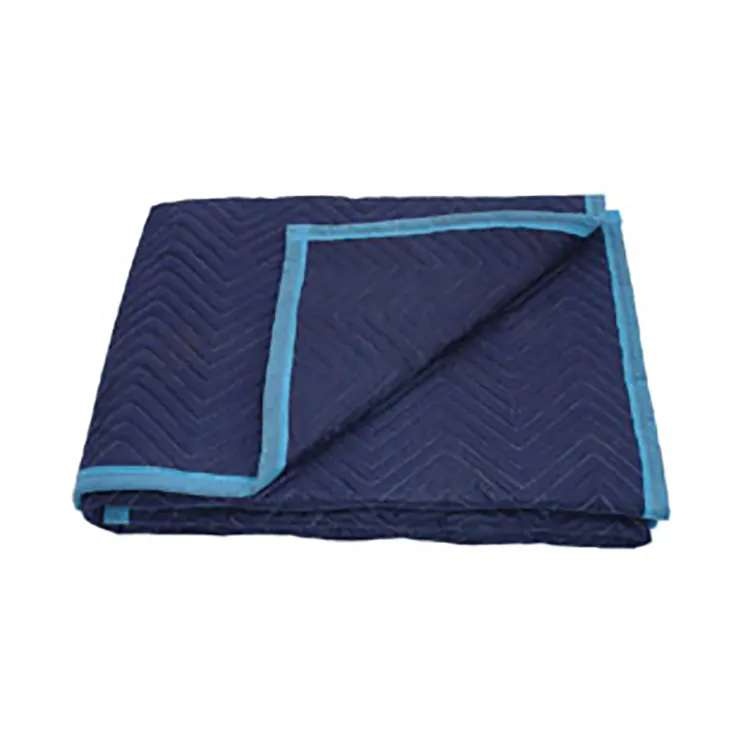
Heavyweight Quilted Furniture Blanket
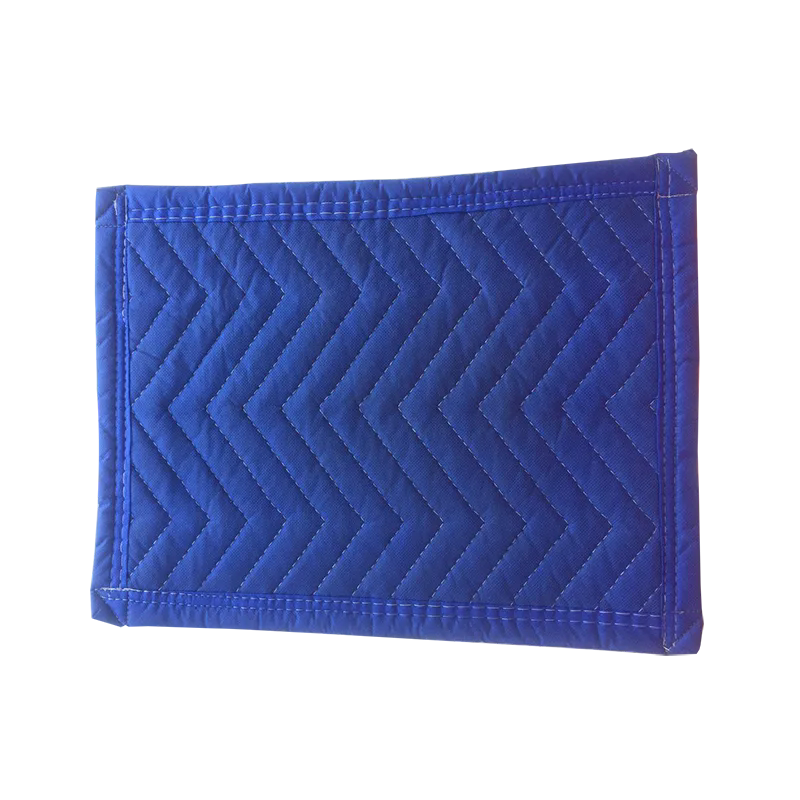
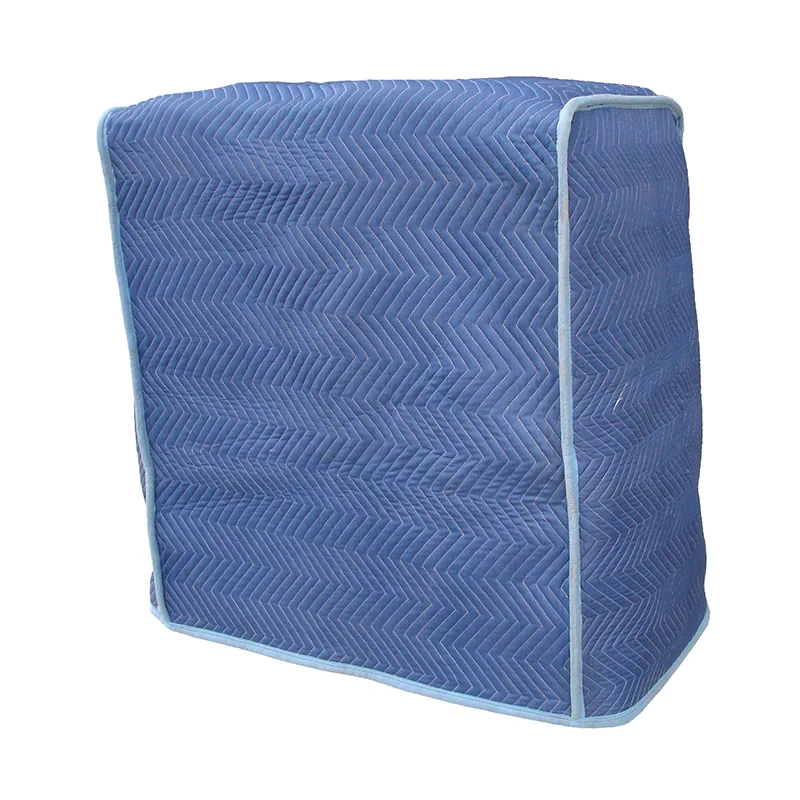
Available in blue (with customization options available), these heavyweight quilted furniture blankets are designed to provide comprehensive protection for appliances, cabinetry, fitness equipment, and large furniture during transport, renovation, or long-term storage. Choose TOP Packaging as your manufacturer and supplier to benefit from bulk order support.
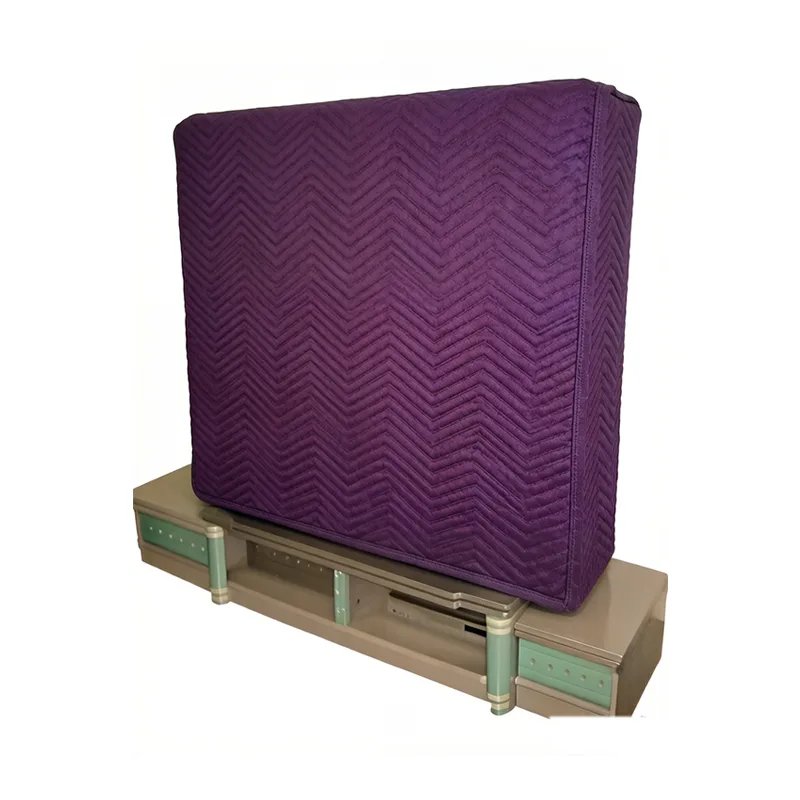
TV Cover
TOP Packaging offers TV covers, part of our furniture protection range, designed specifically to shield televisions during moving, warehousing, transport, installation, and periods of long-term storage. Please feel free to contact us if you are interested in fully customized solutions regarding dimensions, colors, logos, and more.
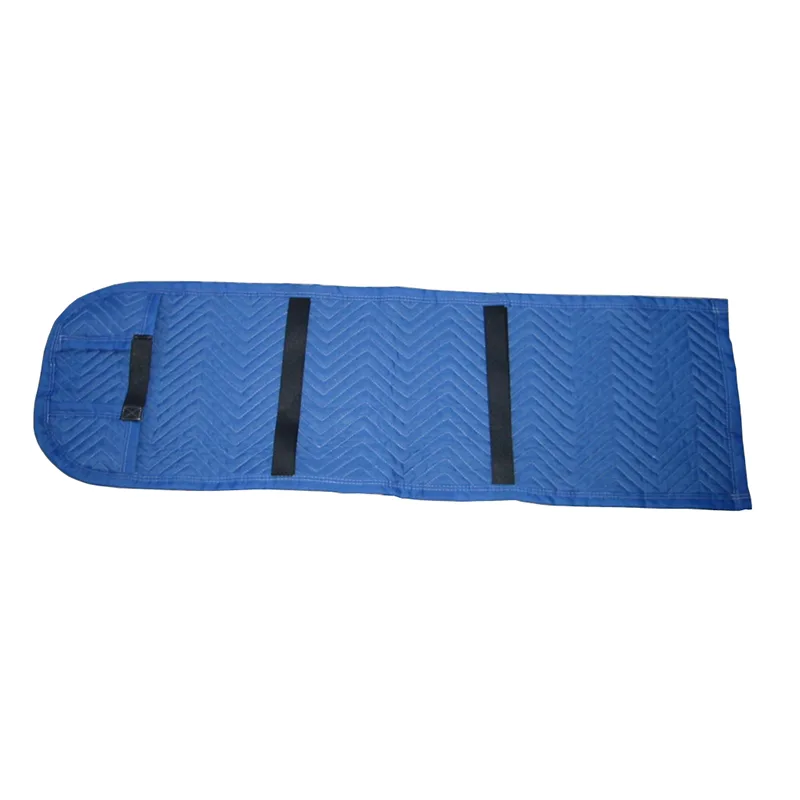
Round Top Padded Hand Truck Cover
TOP Packaging is a manufacturer and supplier of Round Top Padded Hand Truck Covers with over 20 years of experience. Featuring thick, shock-absorbing padding, reinforced edges, and high-quality, abrasion-resistant fabric, this product effectively protects against wear and tear, impacts, scratches, and dust during daily use.
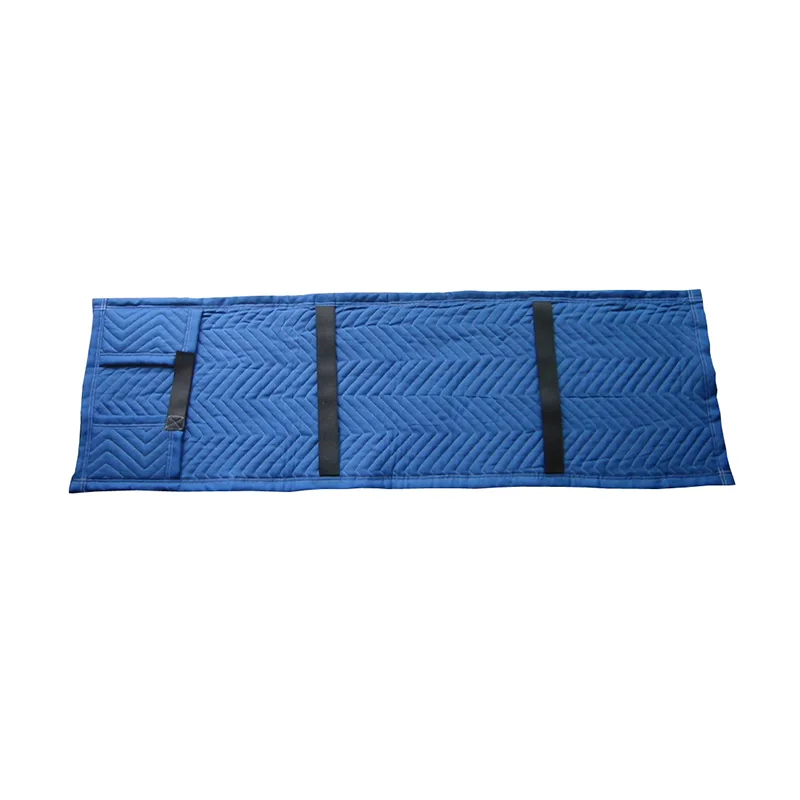
Square Top Padded Hand Truck Cover
TOP Packaging manufactures high-quality square top padded hand truck covers available with customization options and factory-direct pricing. Featuring a square-top design, a thick cushioning layer, and tear-resistant fabric, these covers effectively protect hand trucks against the wear, scratches, and impact damage commonly encountered during transport and storage.
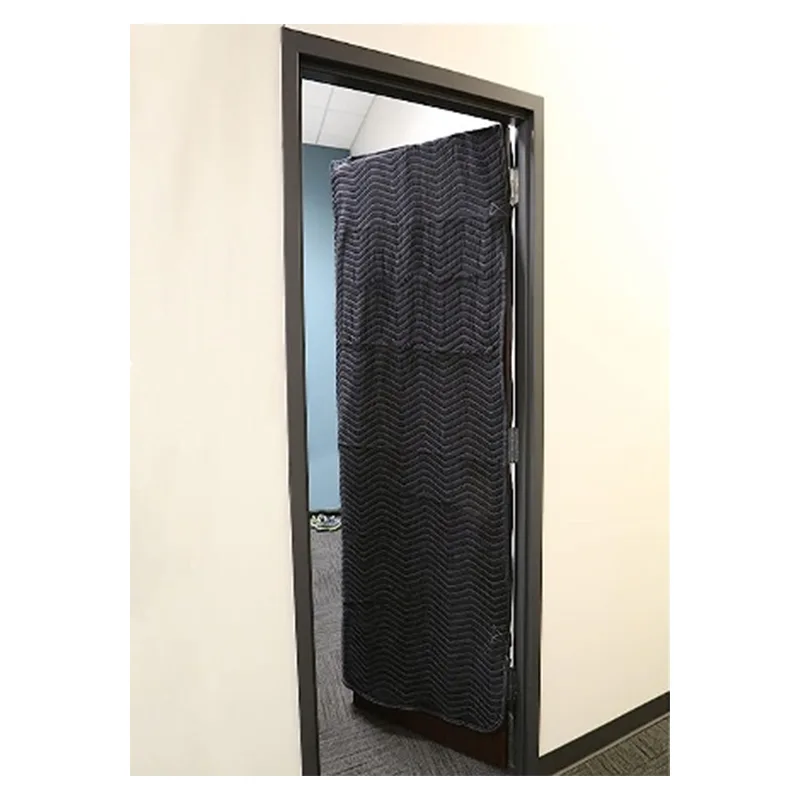
Quilted Door Cover for Interior and Exterior Use
If you are looking for a suitable quilted door cover for interior and exterior use, consider TOP Packaging as your manufacturer and supplier. Featuring thick recycled material filling and durable quilted construction, this product effectively protects various types of doors—including painted, wooden, and metal ones. Customization options are available regarding materials, sizes, and colors; please contact us for a quote.
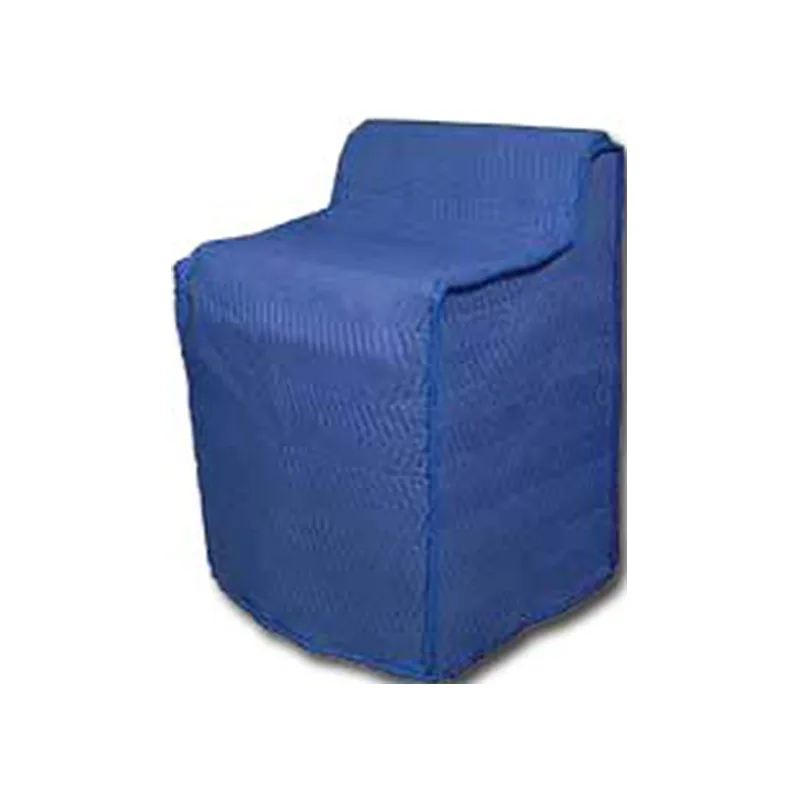
Washer/Dryer/Oven/Range Cover
Washer/Dryer/Oven/Range Cover is specially designed to protect your washing machines, dryers, or ovens during transportation and storage, supplied by TOP Packaging. It is made of recycled fabric and high-density lining and is meticulously designed to effectively withstand the impacts during the moving process.
As a reliable Furniture Covers manufacturer and supplier in China, we have our factory. If you want to buy quality and durable products, please contact us.
News Recommendations