When Should You Use Moving Blankets Instead of Foam?
A moving company dispatcher faces a decision every day: which protective material should be loaded onto the truck for a particular job? A crew moving an antique armoire needs one type of protection. A crew moving a shipment of flat-screen televisions needs another. A crew moving a piano needs yet another. The two most common options are Moving Blankets and foam. Both protect furniture during transport, but they do so in fundamentally different ways. Moving blankets are flexible, reusable, and ideal for wrapping awkward shapes. Foam is rigid, single-use in many cases, and ideal for filling voids and cushioning specific impact points. Choosing the wrong material can lead to damaged furniture, wasted money, or both. For procurement managers at moving companies, furniture retailers, and logistics firms, understanding when to use Moving Blankets instead of foam is essential for optimizing both protection and cost.
This guide is written for buyers who need to make informed decisions about furniture protection materials. We will compare Moving Blankets and foam across key performance criteria, explain the applications where each material excels, and provide guidance on when Moving Blankets are the better choice. We will also provide detailed product parameters from our factory at Wenzhou Top Packaging Co., Ltd. Whether you are equipping a fleet of moving trucks or sourcing protection for a furniture warehouse, this guide will help you select the right material for each job.
Table of Contents
- 1. What Is the Difference Between Moving Blankets and Foam?
- 2. When Are Moving Blankets the Better Choice?
- 3. When Is Foam the Better Choice?
- 4. How Do the Two Materials Compare in Cost and Reusability?
- 5. What Specifications Should Buyers Include in a Purchase Order?
- 6. What Are the Key Product Parameters from Our Factory?
- 7. Frequently Asked Questions (FAQ)
- 8. Conclusion
1. What Is the Difference Between Moving Blankets and Foam?
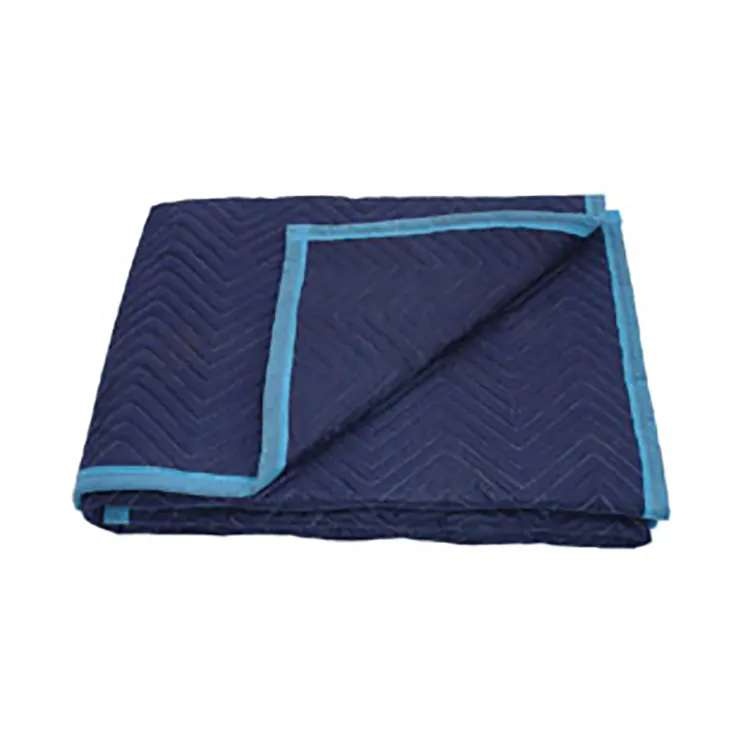
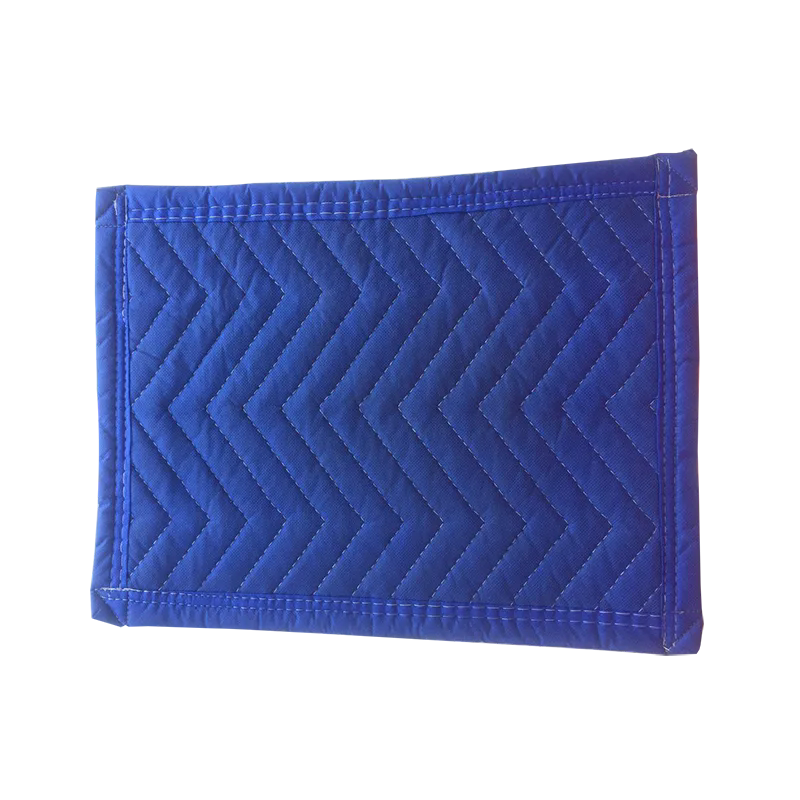
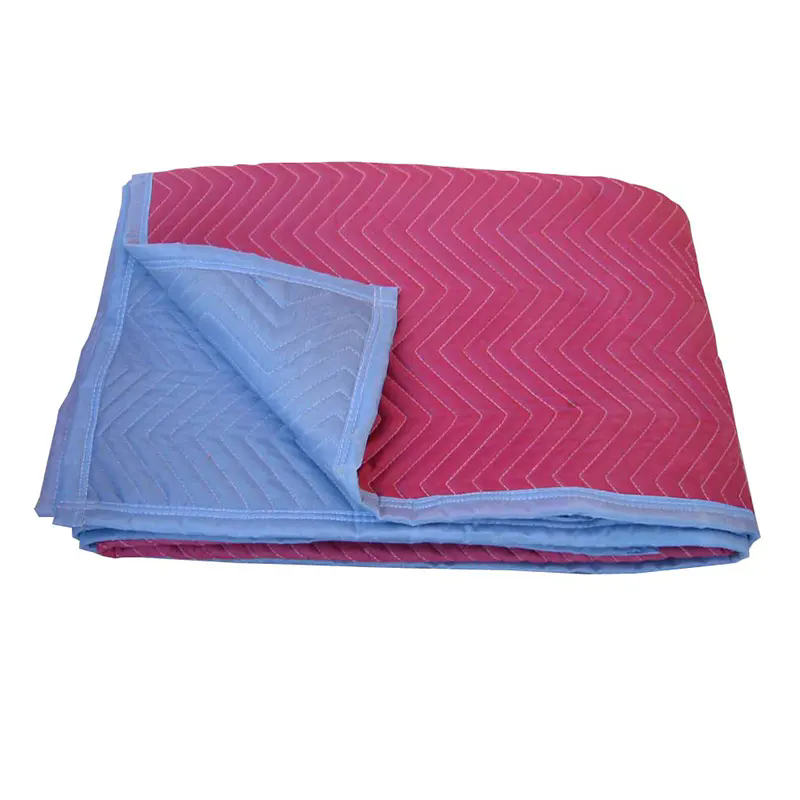
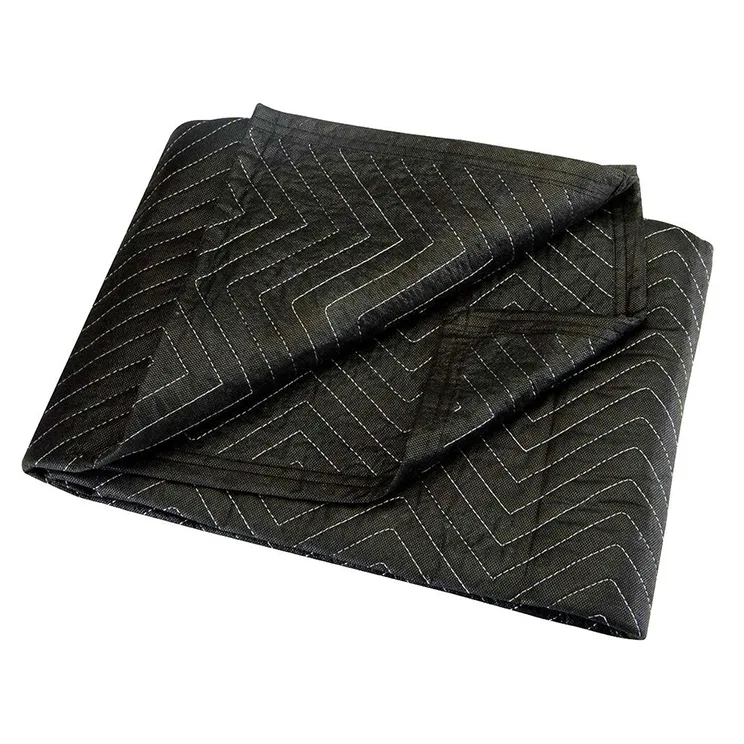
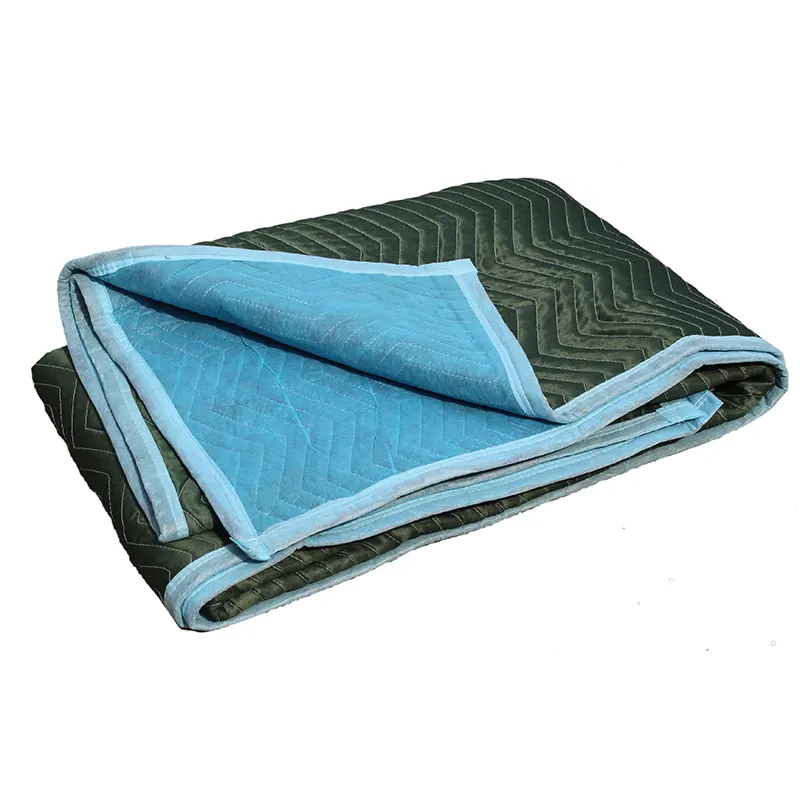
The fundamental difference between Moving Blankets and foam is their structure and how they protect furniture. A Moving Blanket is a quilted textile. It consists of an outer shell, usually made from woven cotton or synthetic fabric, and an inner core of recycled cotton, felt, or foam. The layers are quilted together to create a flexible, padded sheet. The blanket conforms to the shape of the furniture, wrapping around corners, edges, and protrusions. It absorbs impact by distributing the force over a larger area and by allowing the furniture to move slightly within the wrap. Foam, by contrast, is a cellular material that is typically used in sheets or blocks. It protects furniture by absorbing impact through compression. When a force is applied to foam, the cells compress and deform, absorbing the energy. Foam does not conform to the shape of the furniture in the same way as a blanket; instead, it is cut or shaped to fit specific areas. The table below compares the key characteristics of Moving Blankets and foam.
| Characteristic | Moving Blankets | Foam |
| Structure | Quilted textile | Cellular sheet or block |
| Flexibility | High; conforms to shapes | Low to moderate; must be cut to fit |
| Protection Mechanism | Wrapping and cushioning | Compression and energy absorption |
| Reusability | High; can be used hundreds of times | Low to moderate; often single-use |
| Best For | Wrapping furniture, protecting surfaces | Filling voids, cushioning specific points |
| Cost per Use | Low (reusable) | Higher (consumable) |
At Wenzhou Top Packaging Co., Ltd., our factory manufactures Moving Blankets for the professional moving and furniture logistics industries. We also supply foam products for applications where foam is the better choice. Our sales team can help you determine which material is best for your specific application.
2. When Are Moving Blankets the Better Choice?
Moving Blankets are the better choice in several specific situations. The first is when the furniture has an irregular shape. A blanket can be wrapped around a chair with curved arms, a table with carved legs, or a lamp with a fragile shade. Foam would need to be cut and fitted to each contour, which is time-consuming and often impractical. The second situation is when the furniture has a delicate finish that could be scratched or marred. A blanket provides a soft, non-abrasive surface that protects the finish during transport. The third situation is when the furniture is being moved multiple times or stored for an extended period. Blankets are reusable and can be used for many moves, while foam is often damaged after a single use. The fourth situation is when the moving crew needs to protect walls, floors, and doorways during the move. Blankets can be draped over these surfaces to prevent scratches and dents. The table below summarizes the situations where Moving Blankets are the better choice.
| Situation | Why Moving Blankets Are Better |
| Irregularly shaped furniture | Blankets conform to curves and protrusions |
| Delicate finishes | Soft surface prevents scratches and abrasion |
| Multiple moves or long-term storage | Reusable, durable, cost-effective over time |
| Protecting walls, floors, doorways | Can be draped and secured easily |
| Large furniture items | Multiple blankets can be combined for full coverage |
At our factory, we manufacture Moving Blankets in a range of weights and sizes to suit different furniture types. Our blankets are designed for repeated use and are available with durable outer shells and reinforced edges. We also offer custom sizes and colors to meet specific customer requirements.
3. When Is Foam the Better Choice?
Foam is the better choice in several specific situations. The first is when the furniture has a flat, regular shape. A foam sheet can be cut to size and placed between two flat surfaces, such as the top of a dresser and the bottom of a mirror. The second situation is when there is a void to be filled. Foam blocks can be cut and fitted into empty spaces to prevent furniture from shifting during transport. The third situation is when a specific impact point needs to be protected. Foam can be shaped to fit around a corner or a protrusion, providing targeted cushioning. The fourth situation is when the furniture is being packed in a box or crate. Foam is often used inside boxes to cushion the contents and prevent movement. The table below summarizes the situations where foam is the better choice.
| Situation | Why Foam Is Better |
| Flat, regular shapes | Foam sheets can be cut to size for flat surfaces |
| Filling voids | Foam blocks prevent shifting inside trucks or crates |
| Targeted impact protection | Foam can be shaped for specific corners or edges |
| Inside boxes or crates | Foam cushions contents and prevents movement |
| Lightweight items | Foam is lightweight and easy to handle |
At Wenzhou Top Packaging Co., Ltd., our factory supplies foam products for applications where foam is the better choice. We offer a range of foam types, including polyethylene, polyurethane, and expanded polystyrene. Our sales team can help you select the right foam for your specific application.
4. How Do the Two Materials Compare in Cost and Reusability?
Cost and reusability are important considerations when choosing between Moving Blankets and foam. The initial cost of a Moving Blanket is higher than the cost of a foam sheet of similar size. However, the blanket is reusable. A high-quality Moving Blanket can be used hundreds of times, while a foam sheet is often damaged after a single use. The cost per use of a Moving Blanket is therefore much lower than the cost per use of foam. The table below compares the cost and reusability of Moving Blankets and foam over a one-year period.
| Factor | Moving Blanket | Foam Sheet |
| Initial Cost | $15 - $25 per blanket | $5 - $10 per sheet |
| Number of Uses | 100 - 500 uses | 1 - 3 uses |
| Cost per Use | $0.03 - $0.25 | $1.67 - $10.00 |
| Annual Cost (100 moves) | $15 - $25 (one-time purchase) | $500 - $1,000 (repeated purchases) |
| Disposal Cost | Minimal (reusable) | Higher (waste disposal) |
As the table shows, Moving Blankets are significantly more cost-effective over time. The initial investment is recovered after just a few uses. For moving companies and furniture retailers that move furniture regularly, Moving Blankets are the more economical choice. At our factory, we manufacture durable Moving Blankets that are designed for repeated use. Our blankets are available in a range of weights and sizes to suit different applications.
5. What Specifications Should Buyers Include in a Purchase Order?
When purchasing Moving Blankets, the buyer should include detailed specifications in the purchase order to ensure that the product meets the required performance and quality standards. The key specifications are the size, the weight, the outer shell material, the inner core material, the quilting pattern, the edge binding, the color, and the packaging. The table below summarizes the specifications that should be included in a purchase order.
| Specification | Unit of Measure | Example |
| Size | cm or inches | 200 x 250 cm |
| Weight | kg or lbs | 2.5 kg |
| Outer Shell Material | Type and composition | 100% cotton |
| Inner Core Material | Type and composition | Recycled cotton |
| Quilting Pattern | Type | Diamond |
| Edge Binding | Material and type | Polyester, double-stitched |
| Color | Color code or sample | Gray or custom |
| Packaging | Units per bale/carton | 10 blankets per bale |
At Top Packaging, we work with our customers to ensure that all specifications are clearly defined and understood before production begins. We provide samples for approval and maintain strict quality control throughout the production process. Our goal is to deliver Moving Blankets that meet or exceed our customers' expectations.
6. What Are the Key Product Parameters from Our Factory?
The following table provides the key product parameters for our Moving Blankets. These blankets are designed for the professional moving and furniture logistics industries and are available in a range of weights, sizes, and materials to suit different applications. Our factory can also produce custom blankets to meet specific requirements.
| Parameter | Specification Range | Notes |
| Size | 150 x 200 cm to 200 x 300 cm | Custom sizes available |
| Weight | 1.5 kg to 4 kg | Light, Medium, Heavy grades |
| Outer Shell Material | 100% Cotton, Polyester, Blend | Selected for softness and durability |
| Inner Core Material | Recycled Cotton, Foam, Felt | Selected for impact absorption |
| Quilting Pattern | Diamond, Box, Channel | Selected for protection uniformity |
| Edge Binding | Polyester, Double-Stitched | Prevents fraying, extends life |
| Color | Gray, Blue, Green, Custom | Custom colors available |
| Packaging | 5, 10, or 20 per bale | Custom packaging available |
| MOQ | 500 pieces | Negotiable for large orders |
| Lead Time | 2 - 4 weeks | Depends on quantity and customization |
At our factory, we manufacture our Moving Blankets to meet these specifications and more. We can customize the size, weight, materials, and color to suit your specific requirements. Our quality control system includes inspection of raw materials, in-process inspection, and final inspection before shipment. Our goal is to provide our customers with high-quality Moving Blankets that protect their furniture and enhance their reputation.
7. Frequently Asked Questions (FAQ)
Question 1: Can Moving Blankets be used instead of foam for all furniture?
Answer: No, Moving Blankets are not a universal replacement for foam. While blankets are excellent for wrapping irregularly shaped furniture and protecting delicate finishes, foam is better for filling voids, cushioning flat surfaces, and providing targeted impact protection inside boxes or crates. The best approach is often to use both materials together: blankets for wrapping and foam for void filling and targeted cushioning.
Question 2: How many Moving Blankets do I need for a typical furniture move?
Answer: The number of Moving Blankets required depends on the amount and type of furniture being moved. As a general guideline, a one-bedroom apartment may require 6-10 blankets, a two-bedroom house may require 12-18 blankets, and a three-bedroom house may require 20-30 blankets. It is always better to have more blankets than you think you need, as they can also be used to protect walls, floors, and doorways.
Question 3: Are Moving Blankets more expensive than foam?
Answer: The initial cost of a Moving Blanket is higher than the cost of a foam sheet of similar size. However, Moving Blankets are reusable and can be used hundreds of times, while foam sheets are often damaged after a single use. Over time, the cost per use of a Moving Blanket is much lower than the cost per use of foam, making blankets the more economical choice for regular moving operations.
Question 4: Can Moving Blankets be washed and reused?
Answer: Yes, Moving Blankets can be washed and reused. Most blankets can be machine washed in cold water and tumble dried on low heat. Avoid using bleach or fabric softeners, as these can damage the fibers. Regular cleaning extends the life of the blanket and ensures that it does not transfer dirt or odors to furniture. With proper care, a high-quality Moving Blanket can be used for hundreds of moves.
Question 5: What is the best way to store Moving Blankets when not in use?
Answer: Moving Blankets should be stored in a dry, clean, and ventilated area. They should be folded or rolled neatly and stacked on pallets or shelves to prevent damage from moisture or pests. Avoid storing blankets in direct sunlight, as this can fade the color and weaken the fibers. Before storing, ensure that the blankets are clean and dry. Proper storage extends the life of the blankets and ensures that they are ready for use when needed.
8. Conclusion
Choosing between Moving Blankets and foam is a decision that depends on the specific application. Moving Blankets are the better choice for irregularly shaped furniture, delicate finishes, multiple moves, and protecting walls, floors, and doorways. Foam is the better choice for flat surfaces, filling voids, targeted impact protection, and packing inside boxes or crates. In many cases, the best approach is to use both materials together, leveraging the strengths of each. At Wenzhou Top Packaging Co., Ltd., our factory manufactures high-quality Moving Blankets and supplies foam products for the professional moving and furniture logistics industries. We have the expertise and the capacity to meet the most demanding requirements.
Whether you are equipping a fleet of moving trucks, supplying a retail chain, or sourcing protection for a furniture warehouse, we invite you to contact us to discuss your requirements. We can provide samples, quotes, and customized solutions. Our commitment to quality and customer satisfaction has made us a trusted partner for businesses around the world.
Contact Wenzhou Top Packaging Co., Ltd. today to discuss your furniture protection requirements and discover how our Moving Blankets and foam products can protect your furniture and enhance your operations.
Related News
- How Do Moving Blankets Protect Appliances During Delivery?
- Why Are Moving Blankets Essential for Furniture Protection?
- What Makes an Economy Moving Blanket the Smartest Choice for Protecting Your Furniture During a Move?
- Non-Woven Bag - Environmentally Friendly, Durable, and Multifunctional Portable Storage Container
- Soundproof Blanket - Highly Effective Noise Reduction and Sound Absorption, Creating a Quiet Environment
- Furniture Cover - Long-Lasting Dust Protection Gear, Preserving the Fresh Look of Your Home
Leave me a message
New Products

News Recommendations