Abstract
Moving day puts every piece of furniture at risk — from scratched tabletops to dented cabinet corners. An Economy Moving Blanket delivers a practical, reliable layer of cushioning that absorbs impact, prevents surface damage, and keeps items stable during transit. This guide breaks down everything you need to know: material construction, weight grades, real-world applications, selection criteria, proper wrapping techniques, and maintenance tips. Whether you are a professional mover, a warehouse manager, or a homeowner preparing for relocation, understanding how these pads work will help you protect your belongings without overcomplicating the process.
Table of Contents
What Exactly Is an Economy Moving Blanket?
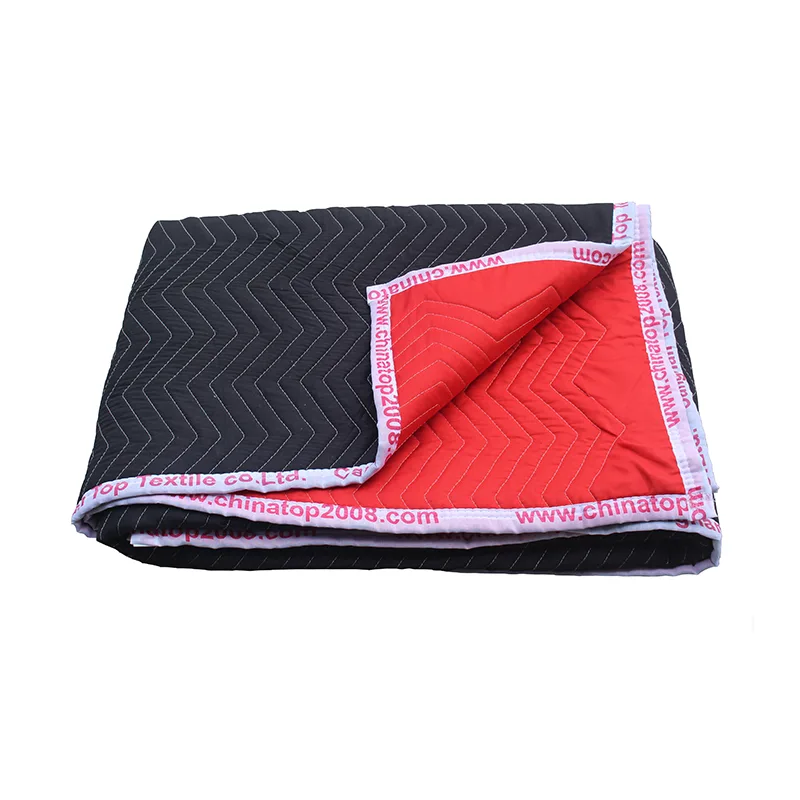
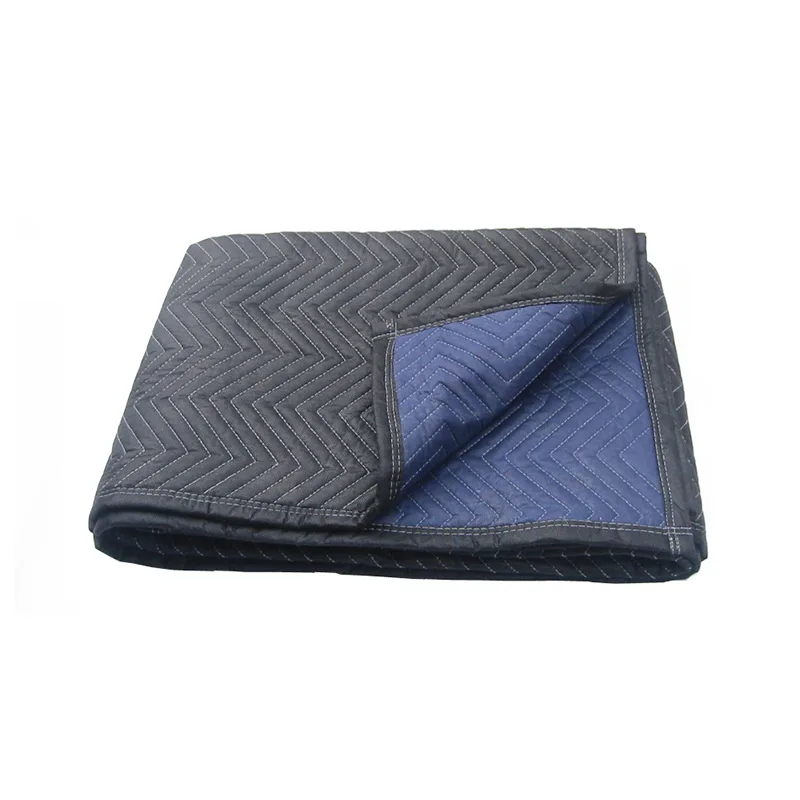
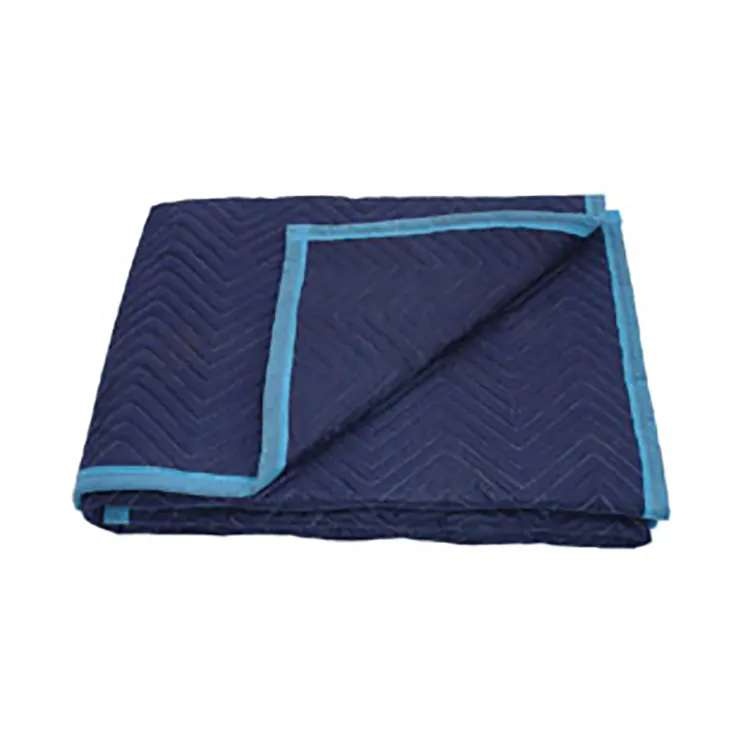
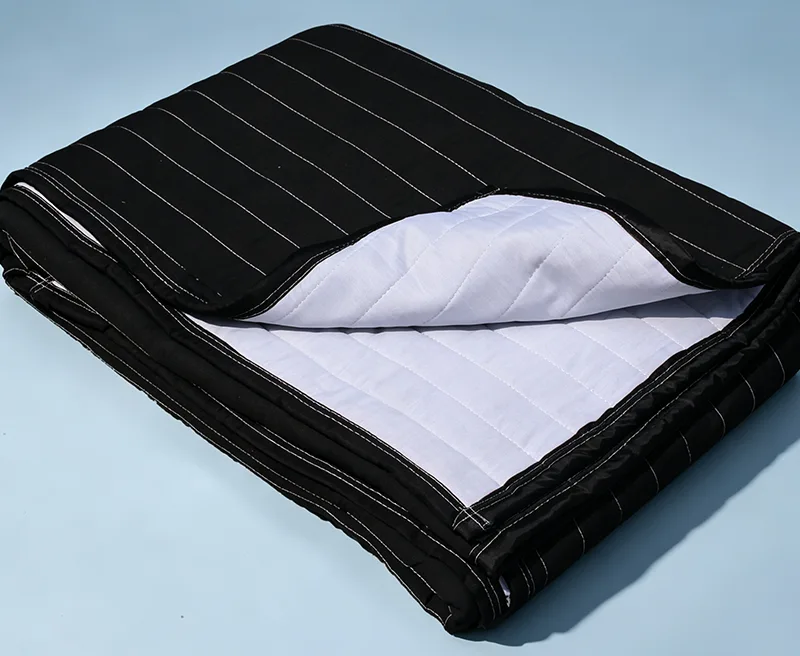
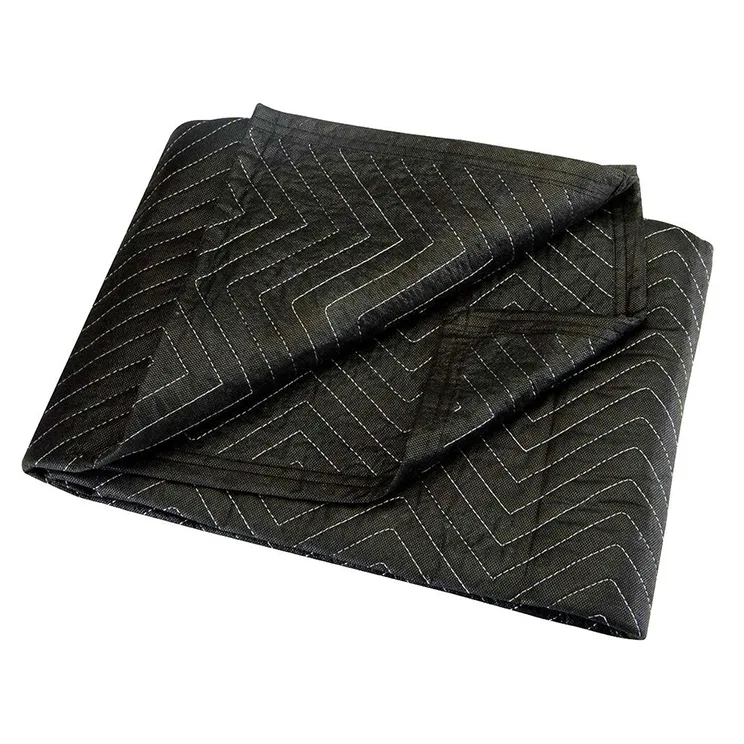
An Economy Moving Blanket is a heavy-duty pad designed to wrap, cushion, and shield furniture and equipment during transportation or storage. Unlike standard household blankets, these pads are constructed specifically for the rigors of moving — they resist tearing, absorb shock, and hold their shape under repeated use.
The term "economy" does not mean low quality. It refers to a grade that balances dependable protection with cost efficiency, making it the preferred option for high-volume operations, rental fleets, and anyone who needs reliable coverage across dozens of items without overspending on premium-tier padding.
Material Composition Explained
Most economy-grade moving blankets follow a layered construction that combines durability on the outside with cushioning on the inside.
- Outer shell: Non-woven polyester fabric that resists abrasion, tearing, and moisture penetration.
- Inner filling: Recycled cotton or polyester batting that provides the bulk of the shock absorption.
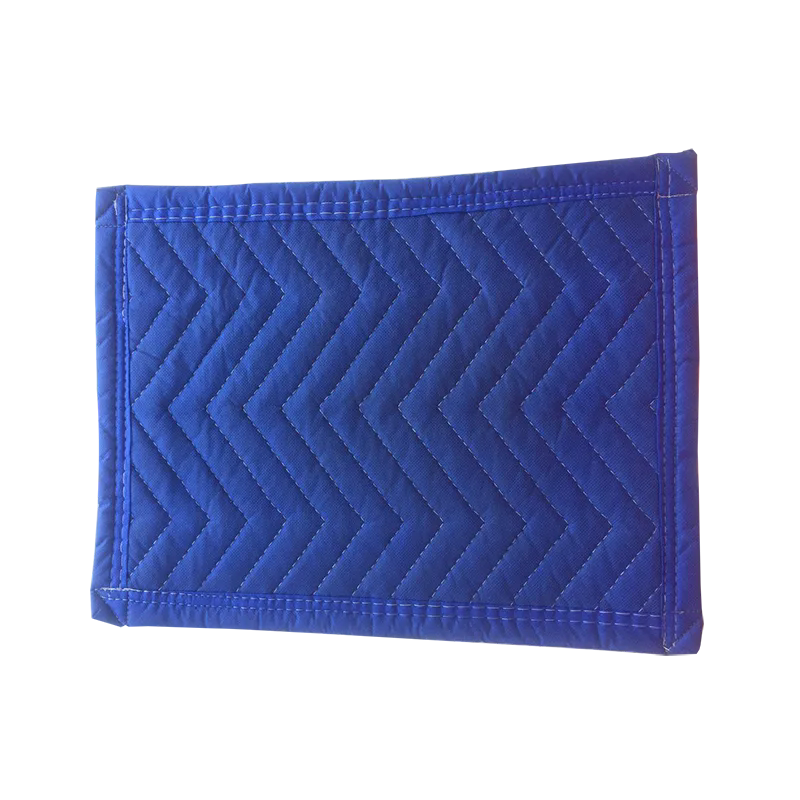
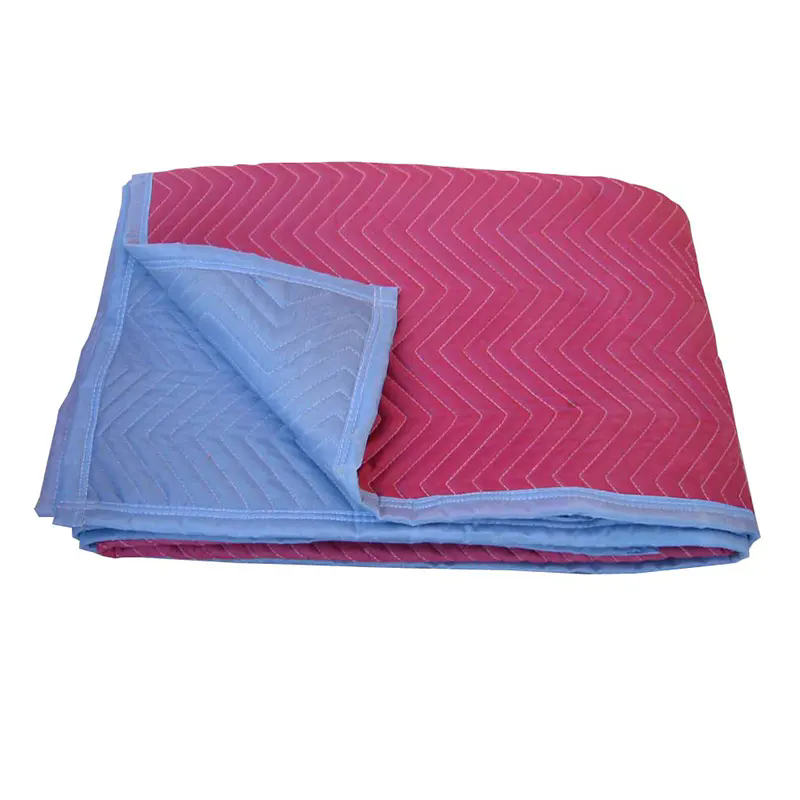
- Stitching: Quilted patterns that lock the filling in place and prevent shifting during use.
- Edge binding: Reinforced borders that extend the blanket's lifespan by preventing fraying at the seams.
This combination produces a pad that is soft enough to rest against polished wood or delicate upholstery without causing scratches, yet thick enough to absorb the bumps and vibrations that occur inside a moving truck.
How Do Weight Grades Affect Performance?
Weight is the single most important specification when comparing moving blankets. The weight is typically expressed in pounds per dozen (lbs/dz) or grams per square meter (GSM). A higher number means denser filling, greater cushioning capacity, and better protection for heavier or more fragile items.
| Weight Grade (lbs/dz) | Approximate GSM | Best Suited For | Protection Level |
|---|---|---|---|
| 35 – 40 | ~350 GSM | Light furniture, chairs, small appliances | Basic |
| 50 – 55 | ~530 GSM | Dressers, tables, electronics, office equipment | Standard |
| 60 – 65 | ~630 GSM | Heavy cabinets, sofas, marble surfaces | Enhanced |
| 70 – 85 | ~730 – 830 GSM | Industrial machinery, pianos, oversized loads | Maximum |
For most residential moves, the 50–55 lbs/dz range offers the best balance of protection, flexibility, and ease of handling. Professional movers and warehouse operators who deal with mixed loads often stock multiple weight grades so they can match the pad to the item.
Where Do These Blankets Deliver the Most Value?
The applications for moving blankets extend far beyond a single relocation. Any situation that requires temporary surface protection, impact absorption, or load stabilization benefits from having a supply of these pads on hand.
Residential Relocation
Home moves are the most common scenario. Every piece of furniture — from a dining table to a bookshelf — faces three threats during transit:
- Scratches and scuffs from contact with truck walls or other items.
- Dents and dings from sudden stops, turns, or vibrations.
- Moisture and dust exposure during loading and unloading.
Wrapping each item in a moving blanket creates a physical barrier that addresses all three risks simultaneously. The pads also fill gaps between items in the truck, preventing shifting that can lead to damage during sudden braking.
Commercial and Warehouse Operations
Businesses that regularly transport equipment or inventory rely on moving blankets for daily operations. Common uses include:
- Protecting office furniture during corporate relocations.
- Wrapping electronics and appliances for delivery or return shipments.
- Padding warehouse shelving and palletized goods during storage.
- Separating stacked items to prevent surface-to-surface damage.
In these environments, the cost-per-use calculation favors durable, reusable pads over disposable alternatives. A quality blanket can withstand dozens of moves before showing meaningful wear.
Beyond Moving: Unexpected Applications
The versatility of these pads has led to creative uses that go well beyond packing and transport.
- Sound dampening: Hung on walls or doors, heavy moving blankets reduce echo and absorb ambient noise in garages, studios, and workshops.
- Temporary floor protection: Laid flat under painting projects or repair work to catch spills and prevent scratches.
- Pet and child barriers: Used as soft, temporary dividers or play area padding.
- Vehicle trunk liners: Placed in car trunks or truck beds to protect surfaces when hauling cargo.
How to Choose the Right Blanket for Your Needs
Selecting the correct moving blanket comes down to four factors: weight, size, material quality, and quantity.
Size Considerations
The most common finished sizes are 72 × 80 inches and 72 × 40 inches. The larger size is ideal for sofas, mattresses, and large cabinets. The smaller size works well for chairs, small tables, and individual drawers or components.
Oversized items may require two blankets used in tandem — one draped from the top and another from the bottom, overlapping in the middle to eliminate gaps.
How Many Blankets Do You Need?
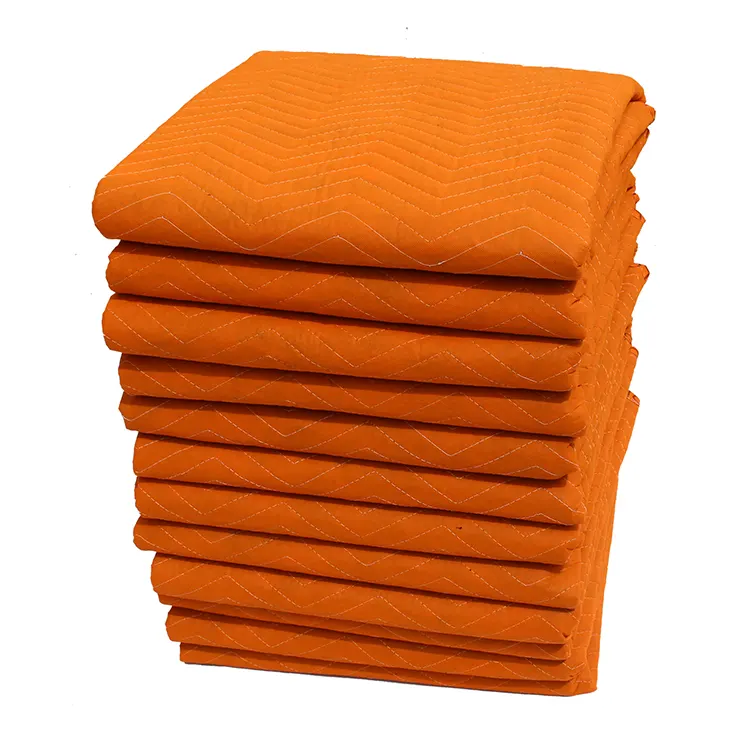
A widely accepted rule of thumb is approximately one dozen pads per fully furnished room. However, this number should be adjusted upward for rooms containing large, fragile, or unusually heavy items.
| Home Size | Recommended Blanket Count | Notes |
|---|---|---|
| Studio / 1-Bedroom | 12 – 15 | Sufficient for basic furniture set |
| 2-Bedroom | 20 – 25 | Add more for large sofas or glass items |
| 3-Bedroom or Larger | 30 – 40+ | Extra pads recommended for pianos or antiques |
It is always better to have more blankets than you think you need. Running short mid-move forces improvisation with inferior materials, which often results in damage that costs far more to repair than the extra pads would have cost.
What Is the Correct Way to Wrap Furniture?
Proper technique determines whether a moving blanket actually protects an item or simply adds bulk. Poorly wrapped pads slip, expose edges, and fail to absorb impact where it matters most.
Step-by-Step Wrapping Method
- Clean the blanket first. Dirt or grit on the fabric can scratch surfaces it is supposed to protect.
- Lay the blanket flat with the softer side facing up, then position the furniture piece in the center.
- Bring the blanket up and over the item, folding the corners neatly so the padding covers all exposed edges.
- Secure with stretch wrap. Wrap plastic film tightly around the blanket from top to bottom, ensuring the pad cannot shift during transit.
- Add a second layer for high-value or fragile items. Two or three layers are standard for glass-front cabinets, artwork, and mirrors.
- Place pads between items in the truck to create a buffer zone that prevents direct contact.
Common Mistakes to Avoid
- Not securing the blanket tightly enough. A loose pad slides off during transport, leaving the item exposed.
- Using too few blankets. Partial coverage leaves vulnerable edges and corners unprotected.
- Taping directly to polished surfaces. Adhesive can damage finishes. Always apply tape or wrap over the blanket, never directly on the furniture.
- Ignoring the truck layout. Items should be loaded so that heavy pieces sit against the truck wall with blankets acting as the interface layer.
How Should You Clean and Store Moving Blankets?
Moving blankets are reusable, and with proper care they can serve for years without losing effectiveness.
Cleaning Guidelines
- Shake out loose debris after each use.
- Spot-clean stains with a mild detergent and damp cloth.
- Air-dry in a warm, well-ventilated area — never use a dryer, which can shrink or warp the filling.
- For deep cleaning, follow the manufacturer's instructions or consult a commercial laundry service.
Storage Best Practices
- Location: Store in a dry, temperature-controlled environment away from direct sunlight.
- Elevation: Keep blankets off concrete floors to prevent moisture absorption and mold growth.
- Folding: Fold neatly and stack flat rather than compressing into tight bundles.
- Inspection: Check for tears, loose stitching, or thinning padding before each move season.
A well-maintained set of pads delivers consistent protection and reduces the need for frequent replacements. For operations that rely on moving blankets regularly, treating them as reusable equipment — rather than disposable supplies — is the most practical approach.
Frequently Asked Questions
Are economy moving blankets strong enough for heavy furniture?
Yes, provided you select the correct weight grade. For heavy items such as solid wood dressers, filing cabinets, or appliances, choose a blanket rated at 60 lbs/dz or higher. The outer non-woven fabric resists tearing under load, and the dense inner batting distributes weight evenly to prevent pressure points.
Can I use regular blankets instead of moving blankets?
Regular household blankets lack the density, durability, and thickness required for moving. They tear easily, provide minimal shock absorption, and do not hold their position when secured with stretch wrap. Moving blankets are engineered specifically for the abrasion, compression, and handling that occur during transport.
How many times can a moving blanket be reused?
A quality economy moving blanket can typically withstand 20 to 50 moves depending on weight grade, handling care, and storage conditions. Inspect pads regularly for thinning filler, exposed batting, or weakened seams. Retire any blanket that no longer provides consistent coverage.
Do moving blankets protect against moisture?
The non-woven outer shell offers limited moisture resistance and can repel light splashes or humidity. However, these blankets are not waterproof. For environments with heavy moisture exposure, combine moving blankets with plastic wrap or use moisture-resistant covers as an additional layer.
What is the difference between economy and premium moving blankets?
The primary difference lies in weight density and outer fabric quality. Premium blankets use higher GSM fillings, thicker non-woven shells, and reinforced binding. Economy blankets deliver solid protection at a lower density and cost, making them ideal for high-volume use where per-unit affordability matters.
Can moving blankets be used for soundproofing a room?
Moving blankets can reduce echo and dampen ambient noise when hung on walls or across doorways. They are effective as a temporary acoustic barrier but do not provide the same performance as dedicated soundproofing panels. For casual noise reduction in garages, workshops, or home studios, they offer a practical and affordable solution.
Ready to Protect What Matters?
Whether you need a single pallet or a full container of moving blankets, the team at Top Packaging is ready to help. Contact us today and let's discuss how we can support your project.
Contact Us Now →