High-Quality Soundproof Blankets for Noise Reduction
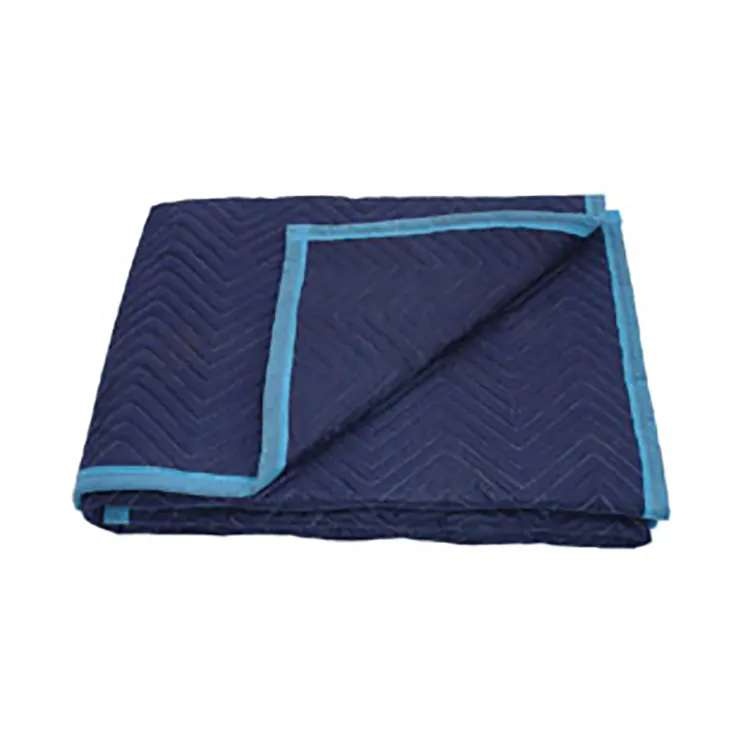
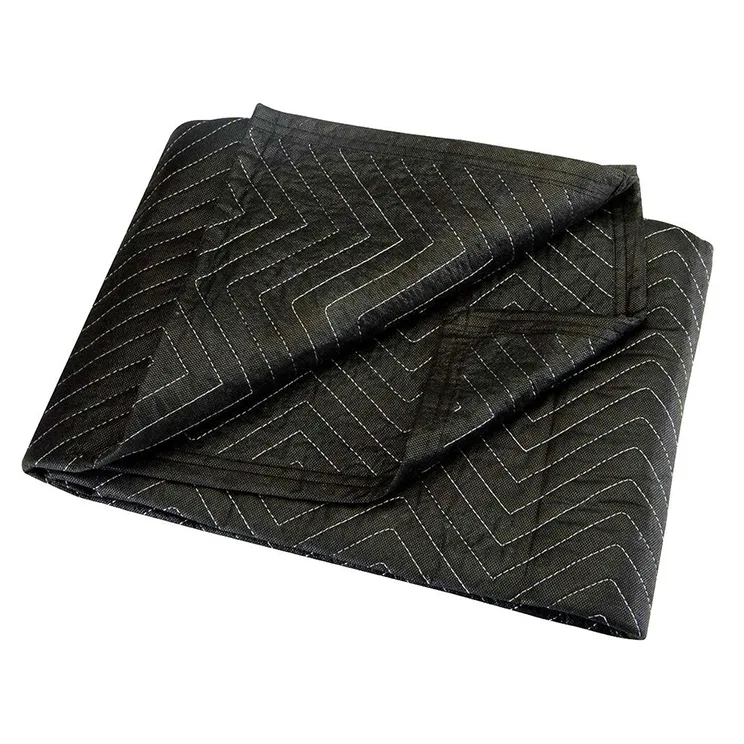
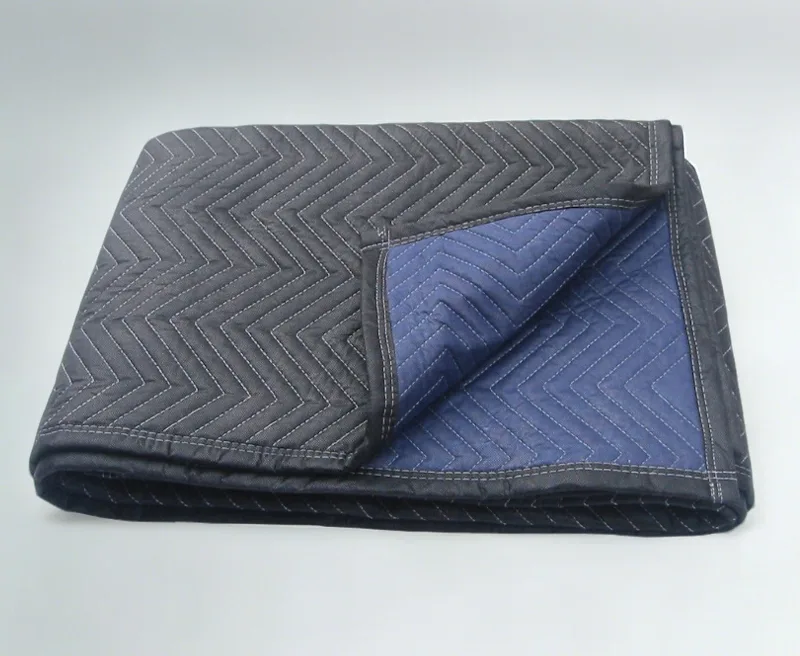
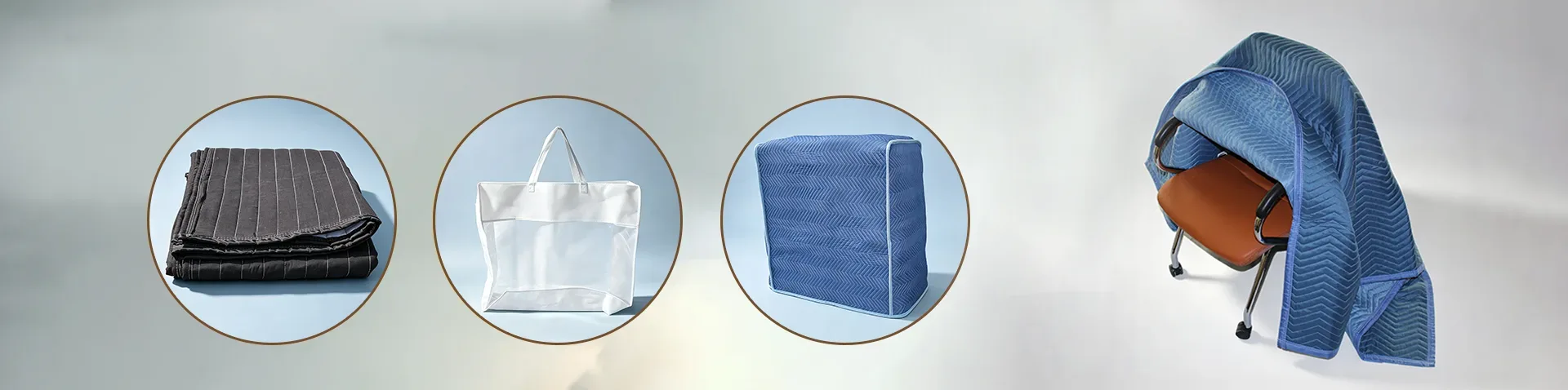
TOP Packaging operates its own manufacturing facility to produce high-quality soundproof blankets that effectively reduce sound transmission and noise interference. Depending on the application environment, these blankets can be used in various ways, such as for hanging, covering, enclosing, or wrapping.
Structural Features
1. High-Density Core
The blanket is filled with over 1000 GSM of cotton. Its fluffy, randomized fiber structure causes sound waves to undergo repeated friction upon entry, dissipating sound energy by converting it into heat.
2. Outer Fabric
Made from polyester or a cotton-linen blend, the outer layer facilitates sound wave penetration into the core, preventing reflection that would occur with a smooth, non-porous surface.
3. Reinforced Construction
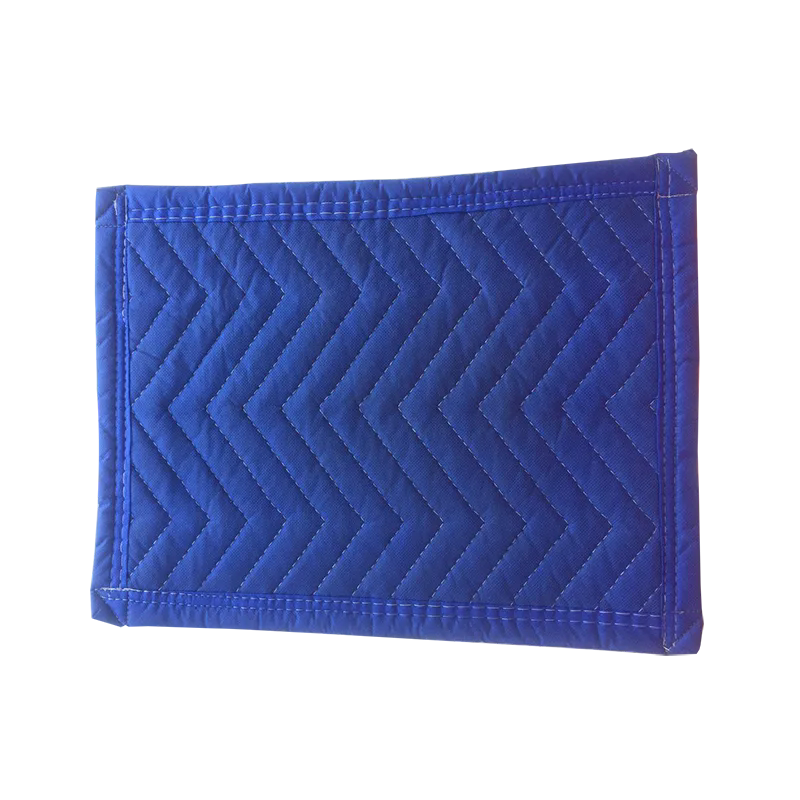
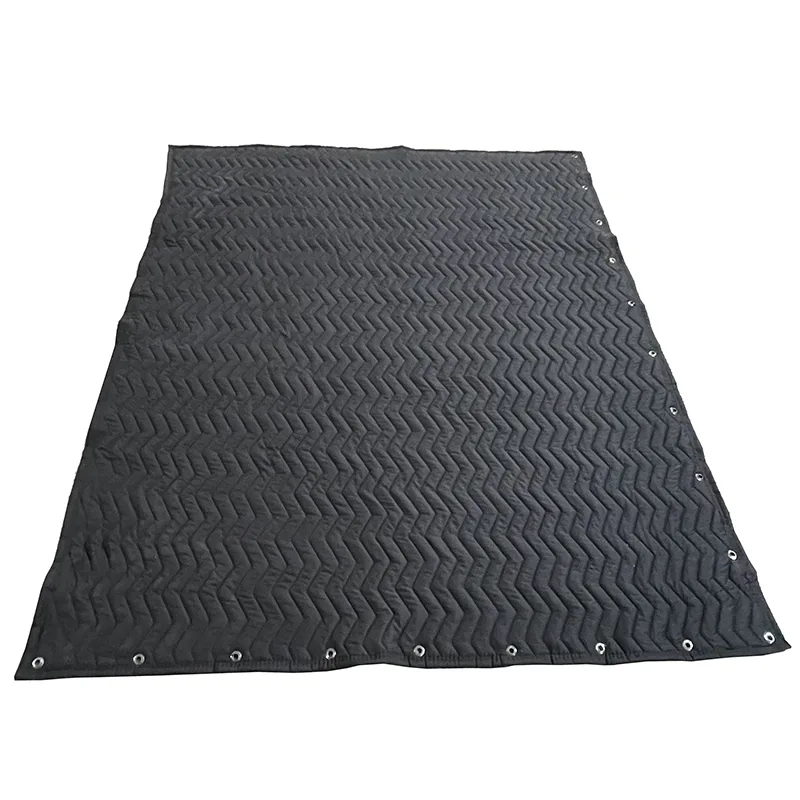
Utilizes zigzag stitching to prevent the internal filling from sagging, clumping, or shifting during hanging or transport.
4. Suspension System
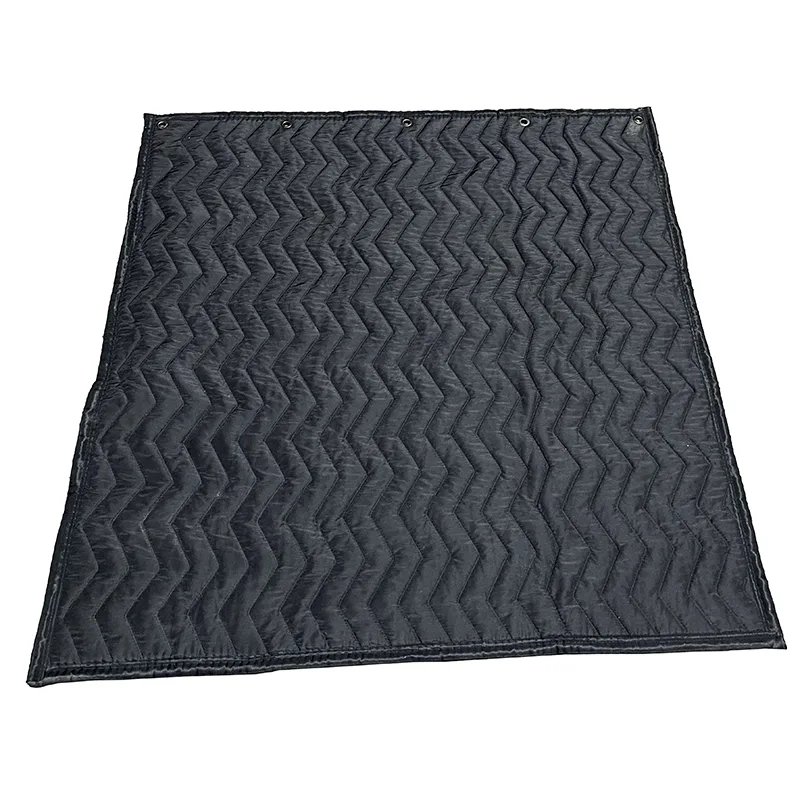
Features metal grommets along the top edge or all four sides, allowing for easy mounting on rods, hooks, or tracks.
Core Features
|
Functions |
Principle |
|
✅ Sound Absorption |
Reduces indoor reverberation, echoes, and standing waves, resulting in clearer, crisper sound. |
|
✅ Noise Dampening |
Lowers the volume of ambient noise, making it less harsh. |
|
⚠️ Soundproofing |
Serves primarily as a supplementary measure; it cannot completely block sound. Achieving total sound isolation requires a "room-within-a-room" structure; blankets act only as an aid. |
It is designed to improve sound quality and reduce volume, not to mute the sound completely.
Application Scenarios
● Construction and Roadworks: Soundproof blankets can be hung on site fencing or scaffolding to block noise from heavy machinery such as generators and pile drivers.
● Recording Studios and Broadcast Studios: Hung on walls, doors, or windows to serve as temporary acoustic barriers that absorb indoor reverberation and echoes.
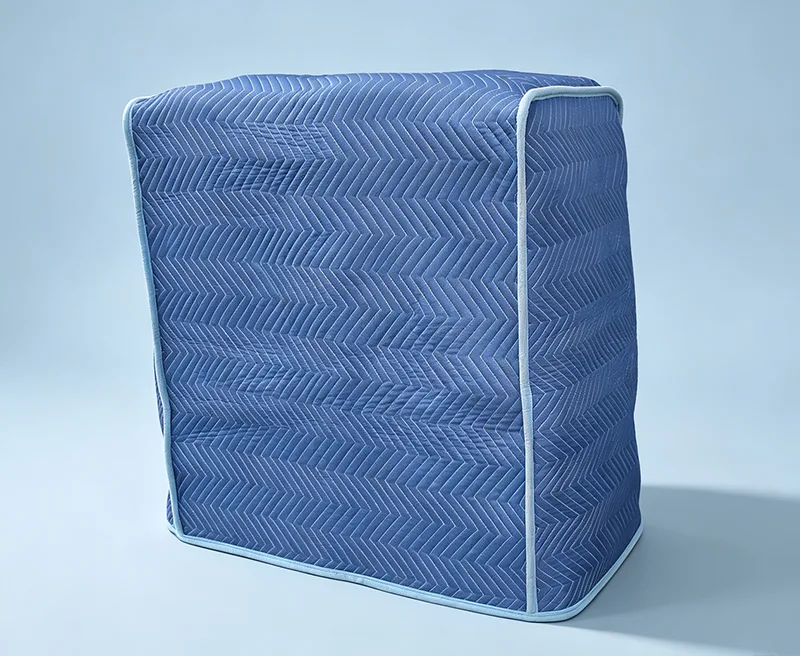
● Industrial Noise Enclosures: Used to wrap high-noise industrial equipment such as large punch presses, compressors, and fans.
● Residential and Commercial Soundproofing: Used for interior renovations, musical instrument practice rooms, or as temporary noise-blocking covers for street-facing windows.
How to Properly Use Soundproof Blankets
1. Hanging Method
Leave an air gap of 5–7.5 cm between the soundproof blanket and the wall. This allows sound waves to reflect multiple times and be absorbed within the space between the blanket and the wall, thereby enhancing sound absorption efficiency.
2. Pleated Hanging
Do not pull the blanket completely flat; instead, hang it with pleats (like a curtain). This increases the material's surface area and effective thickness, improving its ability to absorb low-frequency noise.
3. Sealing Gaps
When joining multiple blankets, overlap the edges by at least 15 cm (6 inches).
Seal the seams where the blanket meets walls, ceilings, or floors using tape, sealant, or additional filler strips.
When using on doors or windows, ensure there are no gaps around the edges; install a door sweep or seal at the bottom of the door.
4. Covering Key Areas
Prioritize areas facing the noise source or the room's primary sound-reflecting surfaces.
Recommendations:
To block noise from neighbors: Hang the blanket on the shared wall.
To improve recording quality: Hang the blanket directly behind the microphone and at the room's primary reflection points (side walls and ceiling).
When Should a Soundproof Blanket Be Replaced?
1. Detached metal grommets or torn edges
Soundproof blankets are heavy; if a load-bearing grommet tears severely or detaches, continuing to hang the blanket poses a risk of it falling and causing injury to personnel or damage to equipment.
2. Clumping, shifting, or hardening of the sound-absorbing core
Prolonged exposure to moisture or repeated aggressive washing can cause the internal filling to deform or settle at the bottom, thinning the upper section and significantly reducing sound insulation and noise reduction performance.
3. Large holes or significant tears in the fabric
Damage to the outer fabric exposes the inner material, compromising the airtight seal required for effective acoustic damping.
4. Contamination by chemicals or strong acids/alkalis
Exposure to machine oil, strong acids/alkalis, or paints that corrode the fabric fibers, common in construction sites or factories, accelerates aging and embrittlement, necessitating timely replacement.
5. Exceeding service life
Even if the exterior appears intact, long-term use leads to performance degradation due to material aging and dust accumulation. It is suggested that whether to replace it should be made based on the actual effect.
Why Choose TOP Packaging?
Established in 2005, TOP Packaging boasts robust production capabilities and offers comprehensive, one-stop protective solutions. Our product range spans from economical non-woven blankets, standard woven blankets, and premium microfiber blankets to 3D furniture covers, needle-punched felt pads, and industrial soundproofing blankets.
We support OEM/ODM services across our entire product line, offering customizable options for fabric, dimensions, weight, color, and logos.
We currently serve major moving companies, packaging supply distributors, and cross-border e-commerce sellers across North America, Europe, and Australia. With extensive knowledge of market standards and customs clearance procedures, we invite you to contact us for sample orders or bulk purchases.
FAQ
Q: Can the soundproof blanket be wrapped directly around operating equipment?
A: Direct, complete wrapping is not recommended, especially for equipment such as engines, generators, and air compressors that require continuous heat dissipation and ventilation.
It is recommended to use the soundproof blanket to create a temporary enclosure or acoustic barrier around the equipment, rather than sealing the equipment completely.
Q: How much clearance should be left around the equipment?
A: There is no universal fixed distance; the clearance should be determined based on the manufacturer's specifications regarding heat dissipation, ventilation, exhaust, and maintenance access.
For high-temperature equipment, it is particularly important to prevent the soundproof blanket from coming into contact with hot components such as exhaust pipes or engine casings.
Q: Can it be attached directly to the wall using glue?
A: This is not recommended. The best installation method is hanging. Use soundproof blankets equipped with grommets and hang them using hooks, curtain rods, or scaffolding.
Hanging the blanket not only avoids adhesive residue but also creates an air gap between the blanket and the wall surface.
- View as
Heavyweight Sound-Absorbing Blanket with Grommets
As a specialized manufacturer, TOP Packaging offers custom production of heavyweight sound-absorbing blanket with grommets. Designed to absorb sound energy, reduce reflections, and minimize echoes and reverberation, these blankets feature metal grommets that allow for quick hanging, securing, removal, and reuse, ensuring exceptional convenience.
Sound Absorption Blanket with Grommets
The Sound Absorption Blanket with Grommets features a full-surface zigzag quilting pattern that secures the internal sound-absorbing fill, effectively preventing the fibers from clumping. Evenly spaced, reinforced metal grommets facilitate easy hanging, joining, and securing. Please contact TOP Packaging for factory-direct pricing and custom solutions.
Sound-Reducing Blanket
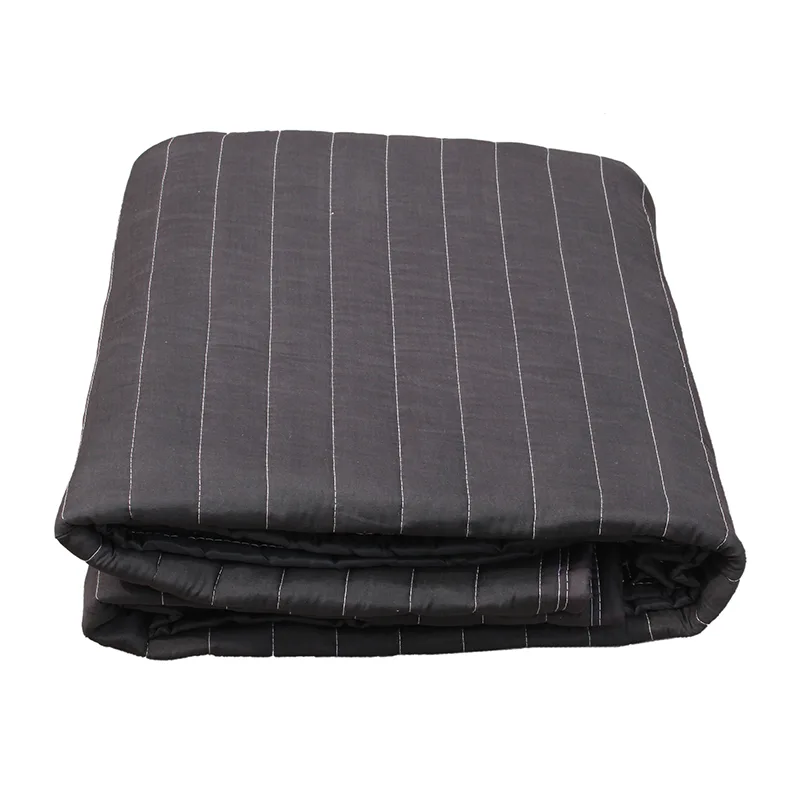
These sound-reducing blankets feature uniform density; they provide stable, broadband noise reduction and are highly durable and wear-resistant. If you are looking for a reliable solution of this kind, please feel free to contact TOP Packaging.
Heavyweight Soundproofing Blanket
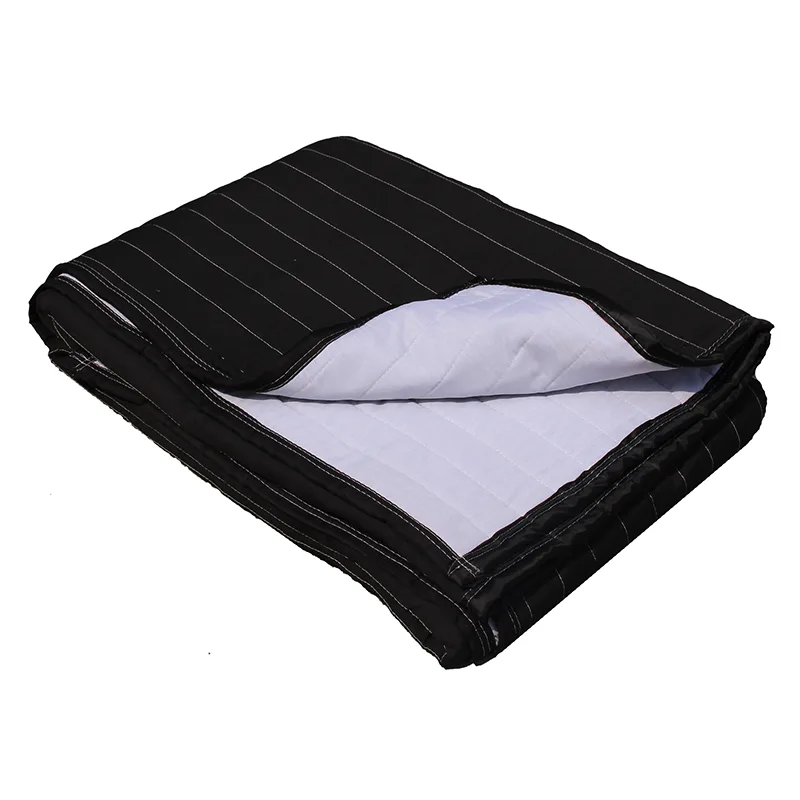
Established in 2005, TOP Packaging is a professional manufacturer and supplier of heavyweight soundproofing blankets. Our products feature an upgraded, thickened knitted composite construction, offering high density, superior tensile strength, and excellent noise reduction performance; we offer wholesale options with customizable sizes and bulk stock availability.
As a reliable Soundproof Blankets manufacturer and supplier in China, we have our factory. If you want to buy quality and durable products, please contact us.
News Recommendations